

What really happens behind closed doors when two Actors step Into a rehearsal room for the first time? It’s not magic, nor is it guaranteed by casting alone-on-screen chemistry is built, not born. Long before cameras roll, something quiet and essential takes shape: a shared rhythm, a look held a second too long, a backstory invented from nothing that suddenly feels true.
What Really Happens in Rehearsal When Actors Forge Unseen Connections?
Rehearsal is where performance begins to breathe. It’s not merely about memorizing lines or hitting marks-it’s a laboratory for Human connection. Actors use this time to explore how their characters move through space, respond to emotion, and react under pressure. The process is deliberate, often unglamorous, and deeply collaborative.
In these early sessions, Actors Begin to map the emotional terrain of their scenes. They test different tones, pacing, and physical proximity. Small choices-like whether one character interrupts the other or pauses before responding-can shift the entire dynamic. These adjustments aren’t made in isolation; they emerge through trial, feedback, and mutual awareness.
Rehearsal allows performers to Discover the unspoken rules of their characters’ relationship. Is there tension beneath the surface? A history of unresolved arguments? A quiet devotion masked by sarcasm? These nuances don’t appear instantly. They grow out of repeated interaction, experimentation, and the willingness to be wrong.
The Myth of Instant On-Screen Magic
Many assume that chemistry either exists or it doesn’t-that if two actors don’t spark immediately, no amount of work will change that. This belief overlooks the craft behind compelling performances. On-screen intimacy, conflict, or affection rarely happens on the First Take. What audiences perceive as spontaneous often results from careful preparation.
Casting directors may pair actors based on perceived compatibility, but true connection requires more than physical presence or similar energy. It demands vulnerability, patience, and a shared commitment to the scene’s truth. The idea that chemistry is purely instinctual diminishes the labor involved in making fiction feel real.
Actors frequently enter rehearsals with little prior knowledge of each other. Their bond must be constructed, not assumed. The illusion of ease-the sense that two people have known each other for years-is usually the product of structured exercises, honest conversation, and intentional repetition.

Why Trust Is the Invisible Foundation of Shared Scenes
Trust is the bedrock of any strong performance partnership. Without it, even the most technically skilled actors struggle to appear authentic. When performers trust each other, they can take risks-deliver a line softly instead of loudly, break down unexpectedly, or hold back when the script calls for restraint.
This trust isn’t emotional dependency; it’s professional respect. It means showing up prepared, listening fully, and honoring the other person’s process. It also involves giving space-knowing when to push a scene forward and when to let silence do the work. A partner who listens deeply creates room for surprise.
Trust allows actors to Prioritize the scene over themselves. Ego fades when the focus shifts from “How do I look?” To “What is happening between us?” This mindset enables genuine reactions rather than rehearsed ones. The best moments on screen often come when neither actor is performing-they’re simply responding.
How Small Gestures in Rehearsal Create Lasting Emotional Resonance
A touch on the arm, a shift in posture, the way one actor hands an object to another-these micro-movements carry emotional weight. In rehearsal, actors refine such gestures until they feel inevitable. A simple act like offering a cup of coffee can convey care, obligation, or resentment depending on timing and intention.
These details are rarely scripted. Instead, they emerge through repetition and mutual observation. One actor might notice that their scene partner always avoids eye contact when lying, and incorporate that into their own behavior. Such subtleties build a shared language that feels organic on screen.
Over time, these small choices accumulate into a Rich, unspoken history Between characters. The audience may not know why one person flinches at a joke or why another always stands slightly behind, but they sense there’s a reason. That’s the Power Of rehearsal: it plants seeds that bloom long after filming ends.
When Silence Speaks Louder: Mastering Presence Through Eye Contact and Stillness
Some of the most powerful moments in film happen without words. A glance across a room, a pause before a confession, the way two people sit in the same space without speaking-these instances rely on presence, not performance. Rehearsal is where actors learn to inhabit silence together.
Eye contact exercises are commonly used to deepen connection. By simply looking into each other’s eyes for extended periods, actors break down barriers and increase comfort. This practice builds awareness of nonverbal cues and fosters emotional availability. It may feel awkward at first, but it lays the groundwork for authenticity.
Stillness, too, is a skill. Remaining physically present while emotionally charged requires control and focus. In rehearsal, actors practice holding tension without releasing it prematurely. They learn when to blink, when to breathe, and when to let a tear fall-because timing transforms emotion into meaning.
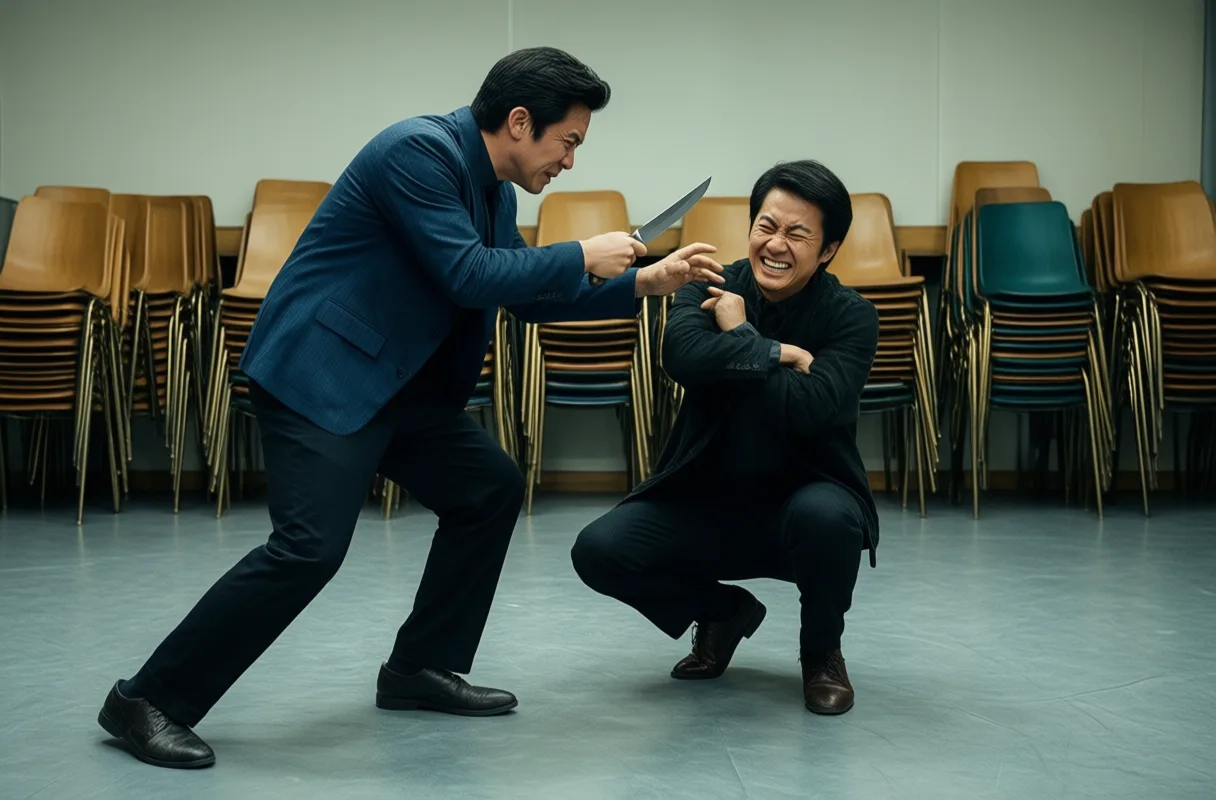
Building a Life Before the First Line: The Power of Invented Histories
Characters don’t begin when the script starts. They carry memories, wounds, joys, and secrets from a life that exists off the page. To make their interactions believable, actors often invent backstories that explain how their characters met, what they’ve survived, and what they fear losing.
Creating a shared history helps clarify motivations and emotional stakes. Did these two grow up next door? Were they once in love? Have they lied to each other before? Discussing these questions-even if the answers never appear on screen-gives performances depth and consistency.
This technique is especially valuable when actors have limited rehearsal time. A few agreed-upon details-a past betrayal, a childhood nickname, a shared loss-can instantly ground a relationship. The result is a Layered dynamic That feels lived-in, not staged.
Exploring Off-Camera Moments That Shape On-Screen Relationships
What happens between scenes matters as much as what happens within them. Actors often imagine moments their characters spent together outside the script-birthday dinners, late-night arguments, quiet walks. These invented episodes help define the rhythm of their bond.
For example, if two characters argue in a kitchen, actors might discuss whether they’ve cooked together before, who usually cleans up, or if one always burns the toast. These mundane details inform body language and tone. They answer questions like: Is this couple comfortable in silence? Do they touch casually, or only when upset?
By fleshing out the unseen, actors create continuity. Even if the audience never sees a flashback or hears a reference, they feel the weight of shared experience. This depth transforms dialogue from exchange to encounter.
Using Improvisation to Unlock Authentic Character Dynamics
Improvisation is a vital tool in rehearsal. It allows actors to step outside the script and explore how their characters might behave in unstructured situations. A simple prompt-“You’re waiting for news about a job”-can reveal new dimensions of power, dependence, or hope.
Through improv, performers discover rhythms and reactions that feel true. They might stumble upon a habit-one character always changes the subject when nervous, another laughs too loud when uncomfortable. These quirks become part of the character’s DNA.
Improvised backstories, in particular, help actors Boost comfort and deepen connection. When two people invent a past together, they co-create meaning. The story may be fictional, but the emotional investment is real. This shared creativity fosters trust and spontaneity.
Beyond the Script: How Scene Experimentation Reveals Hidden Tensions
Scripts provide structure, but they don’t contain all the truth. Rehearsal is where actors test the boundaries of a scene-trying different approaches, reversing power dynamics, or shifting emotional tones. What if a confession is delivered angrily instead of softly? What if a romantic line is said with irony?
Experimentation exposes hidden layers. A scene written as a breakup might reveal underlying loyalty when played with restraint. A moment of anger might uncover fear when delivered quietly. These discoveries only happen through trial and collaboration.
Directors often encourage multiple versions of a scene. Actors may perform it fast, slow, cold, or raw. Each take highlights different aspects of the relationship. Over time, the most truthful version emerges-not because it’s dramatic, but because it feels inevitable.
Rehearsing Vulnerability Without Crossing Personal Boundaries
Vulnerability on screen doesn’t require personal disclosure. Professional actors distinguish between emotional truth and personal exposure. They access deep feelings without revealing private pain. This balance is essential, especially in intense or intimate scenes.
Rehearsal provides a safe space to explore vulnerability gradually. Actors may start with low-stakes emotions and build toward heavier material. They communicate openly about comfort levels and establish mutual respect. Trust ensures that risk-taking doesn’t become exploitation.
The goal is not to relive trauma, but to Embody a character’s truth. An actor can cry without being sad, shout without being angry, touch without desire. These performances are crafted, not confessional. The skill lies in making the audience believe otherwise.

The Subtle Craft Behind Believable Intimacy and Conflict
Intimacy and conflict are two sides of the same coin-both require closeness, timing, and control. Whether sharing a tender moment or a heated argument, actors must coordinate their energy, breath, and movement. A mismatch in intensity breaks the illusion.
Rehearsal allows performers to choreograph these moments with precision. They map out physical contact, eye lines, and vocal shifts. They practice pulling back at the right moment or escalating tension gradually. Every beat is considered, even if it appears spontaneous.
Believability comes from Alignment-when two actors are emotionally, physically, and rhythmically in sync. This doesn’t happen by chance. It’s the result of repeated work, honest feedback, and a shared vision for the scene.
What Directors See When Chemistry Truly Clicks
Directors know when chemistry is working-not because it’s loud or flashy, but because it feels effortless. The camera captures subtlety: a shared smile, a hesitation, a hand that almost reaches out. These moments can’t be faked.
When actors have built a strong foundation, the director sees Ease in the performance. Lines flow naturally. Reactions are immediate and genuine. There’s no sense of effort, even in emotionally demanding scenes. The relationship carries its own gravity.
At that point, the director’s job shifts from correction to preservation. They protect the space, minimize interruptions, and allow moments to unfold. Because once chemistry clicks, it becomes its own force-one that can’t be directed, only witnessed.
The Secret Ingredients of On-Screen Spark
Trust Starts with Play
Rehearsal isn’t just about hitting marks or memorizing lines-it’s where actors learn to trust each other. Simple exercises like mirror work, where two performers copy each other’s movements in real time, help build unspoken connection. These drills sharpen awareness and create a rhythm between partners, making emotional shifts feel natural on camera. When actors are comfortable locking eyes during an intense scene, it often comes from practicing sustained eye contact long before filming starts-turning what could feel awkward into something authentic.
Backstories That Never Make the Script
One powerful trick? Inventing shared history that never appears on screen. Actors often sit down together to imagine key moments their characters lived through-first meetings, past arguments, inside jokes. This invented past gives depth to every glance and gesture, even in silence. It’s not just about what’s said; it’s about what’s understood between them. By building this invisible foundation, a simple touch or pause can carry emotional weight that feels real to audiences.
Chemistry Is Rehearsed, Not Just Felt
Many assume chemistry is either there or it isn’t, but pros know it’s something you practice. Improvising scenes outside the script helps actors respond genuinely in the moment. Trying different emotional approaches-anger instead of sadness, humor instead of tension-reveals new layers in the relationship. Through trial and error in rehearsal, they find what clicks. That magic spark viewers see? More often than not, it was carefully shaped long before the director called “action.” Explore more stories, videos, and creators on Loaded.
Frequently Asked Questions
How do actors build trust during rehearsals?
Actors build trust through exercises like mirror work and sustained eye contact, which create comfort and awareness. Trust also grows from mutual respect, listening deeply, and prioritizing the scene over individual performance.
Why are invented backstories important for on-screen chemistry?
Invented backstories give depth to characters' relationships, even if never shown on screen. They inform gestures, reactions, and unspoken dynamics, making interactions feel lived-in and authentic.
Can on-screen chemistry be developed if it’s not immediate?
Yes, chemistry is often built through rehearsal, not instant. Actors use improvisation, experimentation, and repeated interaction to develop a shared rhythm and emotional truth over time.
How do small gestures affect screen chemistry?
Small gestures like a touch, pause, or shift in posture carry emotional weight. Rehearsal refines these moments until they feel inevitable, creating a shared language that resonates with audiences.
This article was produced with AI assistance. How Silver Screen Magazine uses AI.
Vivian Chukwu explores golden-age Hollywood with reverence and rigor, unearthing forgotten performances and cultural contexts. She connects archival footage to modern themes, making classic films feel immediate and vital through thoughtful analysis and vivid storytelling.