In a quiet corner of a climate-controlled warehouse, a leather-bound satchel rests behind glass-once clutched by an adventurer on a silver screen, now silent, preserved. These objects were never meant to last. Built quickly, used once, and often discarded, Film props were temporary tools in service of illusion. Yet some survived, quietly outliving the stars who handled them, becoming relics of cinematic alchemy.
They are not merely artifacts. They are vessels-imbued with gesture, lighting, performance, and time. A chair, a weapon, a piece of costume: each carries the weight of a scene that once gripped audiences, now fossilized in celluloid memory. Today, these remnants are treated with reverence once reserved only for paintings or manuscripts.
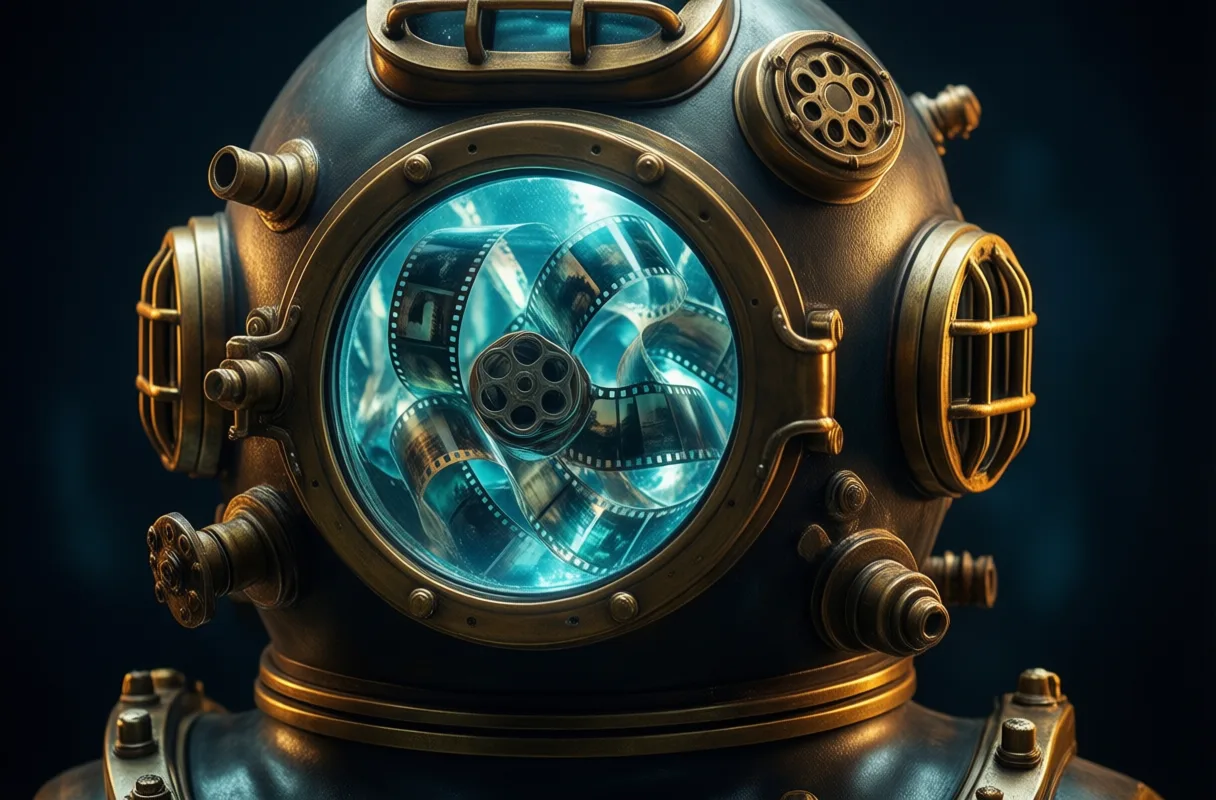
The Silent Guardians of Cinema’s Past
Film studios Once saw little value in preserving what was made for short-term use. Sets were dismantled, costumes auctioned, and props tossed into storage lots or sold at weekend bazaars. It wasn’t until decades later that the cultural significance of these items became undeniable. As classic films gained legendary status, so too did the physical objects that helped create their magic.
A growing awareness emerged in the 1980s and 1990s that Film history Was vanishing. Studios began appointing archivists, establishing dedicated departments to recover, catalog, and protect surviving materials. Some props had already entered private collections, traded among enthusiasts long before museums took interest. Others were rediscovered in basements, attics, or forgotten studio vaults, their origins confirmed through production stills or continuity notes.
Preservation today involves more than locking items away. Archivists monitor temperature, humidity, and light exposure to prevent deterioration. Delicate fabrics are shielded from UV rays; metal components are treated to resist corrosion. Every effort is made to maintain integrity without altering original construction. The goal is not restoration to glory, but conservation of authenticity.
- Climate control is essential for organic materials like wood, fabric, and leather.
- Digital documentation includes high-resolution photography and 3D scanning.
- Provenance tracking ensures historical accuracy for future researchers.
These practices reflect a deeper understanding: props are not souvenirs. They are evidence of creative decisions-choices in design, texture, color, and function that shaped how stories were told visually. A director’s note scribbled on a prop book, a scuff from a staged fight, a worn grip on a fictional weapon-each detail offers insight into process.
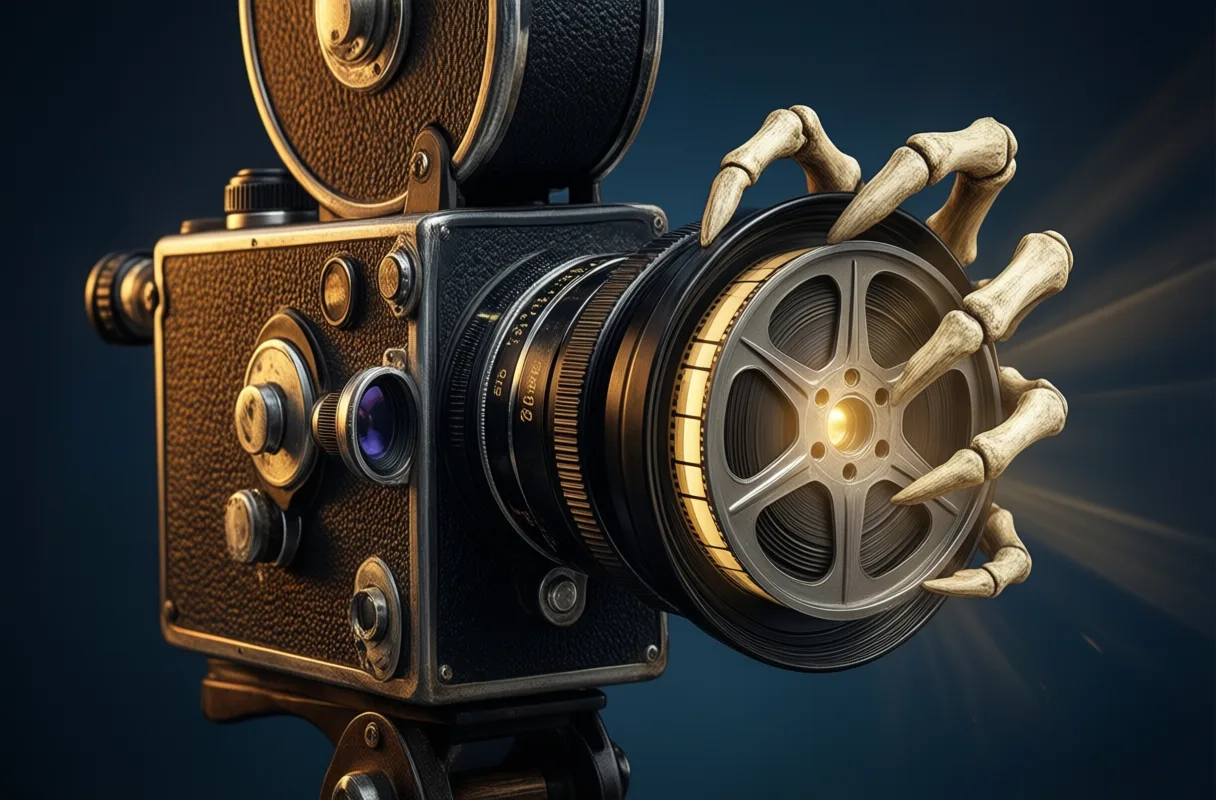
From Screen to Showcase: Where Props Live Now
Some of the most iconic pieces reside in public institutions, where they anchor exhibitions on filmmaking craft. Museums curate displays not just around star power, but around technique-how a prop contributed to character, mood, or narrative. Visitors stand inches from objects once seen only in motion, now frozen in stillness, inviting closer inspection than any cinema seat ever allowed.
Private collectors also play a crucial role. While some acquisitions are driven by investment, many stem from deep admiration for film artistry. These individuals often collaborate with historians, loaning items for retrospectives or permitting scholarly access. Their holdings can include rare variants-alternate versions of props used in different takes or promotional shoots.
Studio archives remain the most comprehensive repositories. Major production companies maintain vast underground facilities where thousands of items are stored systematically. Access is tightly controlled, limited to researchers, restoration teams, and approved filmmakers. Here, a single shelf might hold a dystopian helmet beside a Victorian teacup-each from a different era, genre, and imagination.
Digital surrogates Have expanded access beyond physical limits. High-fidelity scans allow designers and students to study construction methods without handling fragile originals. Virtual exhibits let global audiences explore collections remotely. This democratization does not replace the awe of seeing a real object, but it extends its influence far beyond gallery walls.

Why These Objects Still Matter
A prop survives not because of what it is, but because of what it represented. On screen, it was part of a moment-a glance, a gesture, a climax. Off screen, it becomes a touchstone for collective memory. When audiences recognize it, they don’t just see plastic or metal-they see the echo of performance, the shadow of lighting, the breath of an actor bringing fiction to life.
These objects remind us that movies are handmade. Before digital effects dominated, illusions were built with glue, paint, and ingenuity. A spaceship console was wired with actual switches; a monster’s claw was molded from latex and carved by hand. Every imperfection tells a story of labor, limitation, and invention.
Preserving them is not nostalgia-it’s accountability. Future filmmakers, scholars, and audiences deserve to see how the craft evolved. They should understand that even the most fantastical worlds began as tangible things, assembled under tight schedules and budget constraints. The legacy of cinema isn’t just in the images we remember, but in the physical traces left behind.
As long as people study film, these props will serve as primary sources-concrete links to moments that shaped culture. They are not magical in themselves, but they carry the residue of magic: the collaboration, the tension, the fleeting perfection of a scene captured once and remembered forever.
| Prop | Film | Material/Construction | Current Status |
|---|---|---|---|
| Ruby slippers | The Wizard of Oz | Delicate fabric and sequins | Surviving pairs displayed in museums |
| Darth Vader’s helmet | Star Wars | Custom-fitted with black paint and reflective visor | Authenticated pieces sold at auction |
| Aston Martin DB5 | Goldfinger | Modified with ejector seat and smoke screen | Exists in multiple versions, in exhibits and collections |
| DeLorean time machine | Back to the Future | Gull-wing doors, flux capacitor glow | Preserved in museums as a cultural icon |
| Original lightsabers | Star Wars | Made from camera lenses and flashlights | Sold at auction for hundreds of thousands of dollars |
Behind the Silver Screen: Treasures That Lived Beyond the Final Cut
When Props Outlive the Stars
Some movie props become more famous than the actors who used them. The ruby slippers from The Wizard of Oz Are among the most iconic artifacts in Film history, with several pairs surviving from the 1939 production. Over the years, these delicate shoes have faced theft, mystery, and painstaking restoration, yet they continue to draw crowds at museums. One pair, recovered after a 13-year disappearance, was later displayed at the Smithsonian, reminding fans how deeply these objects are woven into cultural memory.
From Trash to Treasure
Not every legendary prop was treated with care on set. The original Star Wars Lightsabers were cobbled together from old camera lenses, flashlights, and other odds and ends. Darth Vader’s helmet, now a symbol of cinematic villainy, was custom-fitted to actor David Prowse and painted black with a reflective visor to create an emotionless stare. Today, authenticated pieces from the original trilogy have sold at auction for hundreds of thousands of dollars, proving that even the humblest beginnings can lead to legendary status.
Cars That Became Celebrities
Vehicles from classic films often steal the spotlight. The 1964 Aston Martin DB5 from Goldfinger-complete with ejector seat and smoke screen-has become a symbol of James Bond’s cool precision. Multiple versions were built for filming, and several still exist, rotating through exhibitions and private collections. Similarly, the DeLorean time machine from Back to the Future Wasn’t just a car but a character in its own right. With its gull-wing doors and flux capacitor glow, it turned a failed sports car into a global icon, now preserved in museums as a testament to movie magic and 1980s imagination.
Frequently Asked Questions
Why are film props preserved today?
Film props are preserved because they are seen as evidence of creative decisions and cultural history. They offer insight into filmmaking techniques and help future generations understand how stories were visually told.
How are film props protected from deterioration?
Archivists use climate control, monitor humidity and light exposure, and shield delicate materials from damage. Metal parts are treated to prevent corrosion, and organic materials like leather and fabric are carefully stored.
Where can preserved film props be seen?
Preserved props can be found in museums, studio archives, private collections, and virtual exhibits. Some are displayed publicly, while others are accessible to researchers and filmmakers.
What makes a film prop culturally significant?
A prop becomes significant because of the scene, character, or emotion it represented on screen. Its value comes from its role in storytelling and its connection to collective memory.
This article was produced with AI assistance. How Silver Screen Magazine uses AI.
Simone Reyes tracks shifts in film distribution and digital platforms with clarity and foresight, translating complex trends into accessible insights. She bridges the gap between corporate moves and viewer experience, illuminating how the business shapes what we watch.