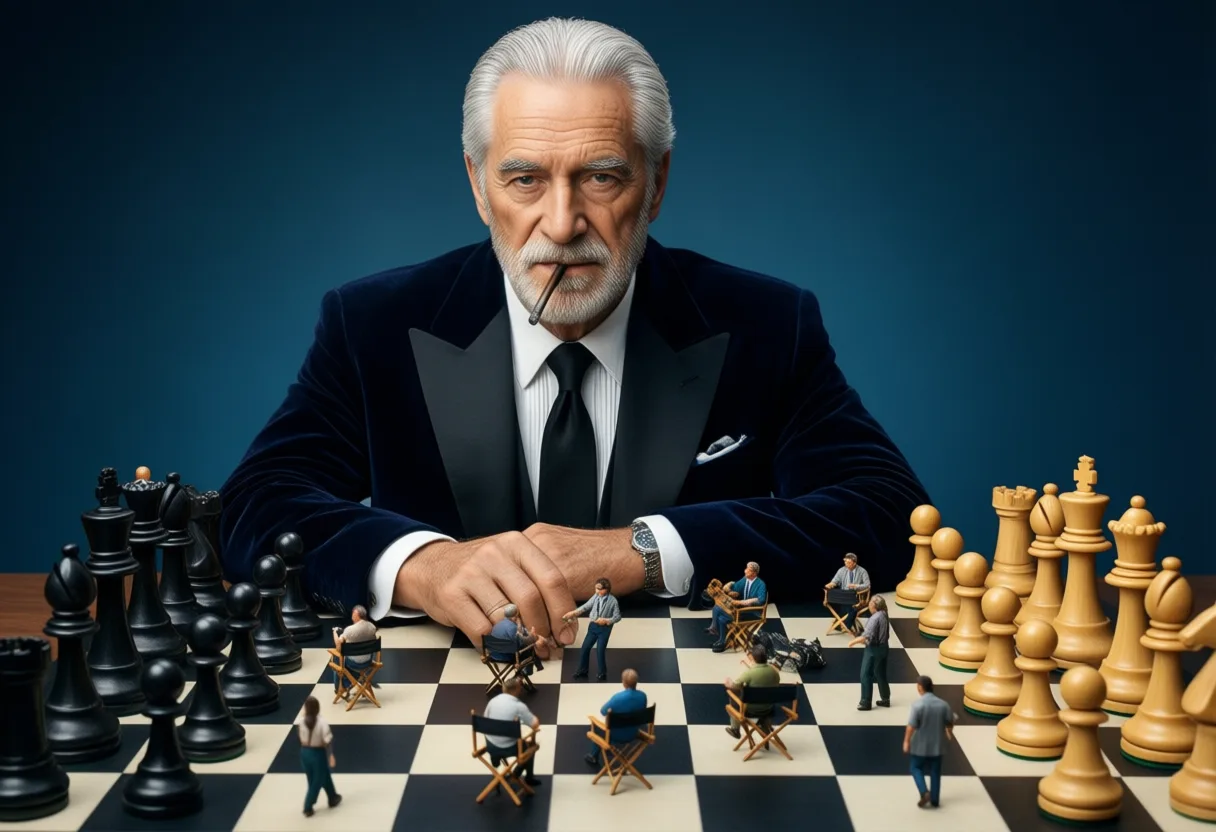
The Golden age Of Hollywood was not built on stars alone. Behind the shimmering marquees and red carpet premieres stood a cadre of moguls, producers, and executives whose vision-and often iron will-shaped the modern film industry. Their decisions in boardrooms and backlots determined not only which stories were told, but how they were told, and by whom.
These architects of cinema operated with a blend of artistry and autocracy, crafting Studios Into self-contained empires where every element-from casting to costume design-was tightly controlled. Talent was signed to long-term contracts, narratives were carefully curated for mass appeal, and controversy was managed with quiet precision. The result was a factory of dreams, meticulously engineered to captivate audiences worldwide.
Today, the legacy of these power players endures in the DNA of every major studio, streaming platform, and production house. While the system has evolved, the influence of those early titans can still be felt in the way films are developed, marketed, and remembered. Understanding their reign offers more than nostalgia-it Reveals The enduring mechanics of cinematic power.
The Rise of the Studio System
In the early 20th century, Hollywood transformed from a scattering of independent filmmakers into a centralized industry dominated by a handful of Major studios. These companies-MGM, Paramount, Warner Bros., 20th Century Fox, and RKO-developed a vertically integrated model that controlled production, distribution, and exhibition. This structure gave them unprecedented authority over what audiences saw and how they experienced it.
Each studio cultivated a distinct identity. MGM prided itself on glamour and prestige, often boasting it had "more stars than there are in the heavens." Warner Bros. Leaned into gritty realism and socially conscious storytelling, while Paramount excelled in sophisticated, European-influenced dramas. These brand identities weren’t accidental-they were the result of deliberate strategy by studio heads who understood the value of consistency and Audience loyalty.
The studio chiefs, often immigrants with humble beginnings, rose through sheer determination and business acumen. They operated like feudal lords, overseeing vast lots where writers, directors, and actors worked under strict supervision. Creativity flourished within rigid boundaries, and success was measured not just in artistry, but in box office returns and cultural influence.
- Talent was signed to seven-year contracts, binding them to a single studio.
- Casting decisions were often influenced as much by image management as by skill.
- Public personas were carefully constructed and protected by studio publicity departments.
This system allowed for remarkable efficiency and output, with studios releasing dozens of films each year. Yet it also limited creative freedom, particularly for directors and writers who were seen as employees rather than auteurs. The balance between commerce and art was always delicate-and often tipped decisively toward profit.
Even as the studio system tightened its grip, it also laid the foundation for Hollywood’s global dominance. The films produced during this era became cultural exports, shaping perceptions of America and setting standards for storytelling worldwide. The machinery was relentless, but the output-when it worked-was magic.

The Moguls Who Ruled Hollywood
At the center of the studio system were a few towering figures whose names became synonymous with Hollywood power. These men-Louis B. Mayer, Jack Warner, Harry Cohn, and others-were not filmmakers in the traditional sense, but they wielded more influence over film content than most directors. Their decisions shaped careers, launched legends, and sometimes destroyed them.
Louis B. Mayer, the head of MGM, was perhaps the most emblematic of the studio bosses. He believed in clean, family-friendly entertainment and saw movies as a moral force. Under his leadership, MGM produced some of the most enduring films of the era, from musicals to historical epics. Yet his paternalistic control extended far beyond the screen-he monitored the private lives of his stars, enforcing strict codes of conduct.
Jack Warner, co-founder of Warner Bros., took a different approach. He favored fast-paced, urban stories that reflected the anxieties of the Depression and war years. His studio led the way in sound technology and political narratives, producing films that felt urgent and immediate. Warner was known for his brusque demeanor and hands-on management style, often interfering in editing and casting decisions.
- Mayer cultivated stars like Judy Garland and Clark Gable as extensions of his own vision.
- Warner pushed for socially relevant films, including early anti-Nazi dramas.
- Both men used publicity machines to shape public perception of their studios and talent.
These moguls understood that film was not just art, but a form of mass psychology. They studied audience reactions, adjusted storylines for maximum impact, and orchestrated promotional campaigns with military precision. The star system, which they perfected, turned actors into icons whose off-screen lives were as tightly scripted as their on-screen roles.
Their influence extended into politics and culture. Studio heads had connections in Washington and used them to navigate censorship, labor disputes, and wartime propaganda efforts. During World War II, Hollywood became a vital tool for morale, producing films that supported the war effort while maintaining entertainment value. The line between government messaging and studio storytelling often blurred.
Yet for all their power, the moguls were not invincible. Antitrust rulings in the late 1940s dismantled the vertical integration that had fueled their dominance. The rise of television, changing audience tastes, and the growing influence of independent filmmakers further eroded their control. By the 1960s, the old studio system had largely collapsed.

The Hidden Mechanics of Power
Beyond the public personas of stars and executives, Hollywood operated through a network of unseen forces-agents, publicists, casting directors, and behind-the-scenes fixers. These individuals managed scandals, negotiated contracts, and shaped careers in ways that rarely made headlines. Their work ensured the machine kept running, even when cracks began to show.
Casting, in particular, was a high-stakes game of image, availability, and studio politics. Roles were often assigned not based on auditions, but on contractual obligations or strategic alliances. The process could be opaque, even to those within the industry. While today’s audiences might marvel at the chemistry of a classic film’s ensemble, that harmony was often the result of careful manipulation rather than organic collaboration.
Some of the most enduring films of the era were shaped by quiet interventions. A director might be replaced mid-production. A script could be rewritten overnight to accommodate a star’s schedule or avoid censorship. These adjustments were rarely acknowledged, but they were essential to the studio’s ability to deliver on time and on budget.
The treatment of talent, especially women and minorities, reflected the prejudices of the time. Actresses were often pressured to conform to narrow beauty standards or endure invasive scrutiny of their personal lives. The path to stardom could come with hidden costs, and not all stories from behind the scenes were glamorous. Some truths remain buried, known only to those who lived them.
Even now, echoes of these practices persist. The pressure to maintain a public image, the influence of behind-the-scenes power brokers, and the tension between art and commerce continue to define Hollywood. While the industry has evolved, the dynamics of control and influence remain familiar.
Understanding this history means looking beyond the screen. It means recognizing that every frame of film was the product of a complex ecosystem-one driven by vision, ambition, and, at times, exploitation. The magic of old Hollywood was real, but it was never effortless.

Legacy in the Modern Era
The studio era may have ended, but its blueprint still informs how films are made today. The blockbuster model, franchise planning, and star-driven marketing all trace their roots to the strategies pioneered by the old moguls. Studios may no longer own theaters, but they still seek total control over their intellectual properties.
Modern franchises like the Marvel Cinematic Universe operate with a level of coordination that would have impressed Louis B. Mayer. Every casting choice, every release date, every post-credits scene is part of a larger design. The Black Widow Cast Journey Behind The Scenes Of Marvel’s Best reveals how tightly choreographed these productions are, with actors often signing on for multiple films years in advance.
Similarly, the allure of behind-the-scenes storytelling remains strong. Audiences today are fascinated by how films are made, not just what they mean. The Sound Of Music Cast Captivating Behind The Scenes Secrets and the The Devil Wears Prada Cast Magic Behind The Scenes offer glimpses into the alchemy of performance and production-reminders that even the most polished films emerge from human effort and compromise.
Yet the darker corners of Hollywood History also demand attention. The Backroomcastingcouch Shocking Secrets Behind The Scenes points to a legacy of exploitation that the industry is still reckoning with. The power imbalances of the studio era did not vanish with the decline of the old system-they evolved, sometimes into more隐蔽 forms.
At the same time, the reinvention of Hollywood continues. Streaming platforms have disrupted traditional models, giving rise to new kinds of storytelling and new gatekeepers. The story of mia Uncovered 5 Shocking Secrets Behind The Iconic Name That Changed Hollywood Forever illustrates how a single cultural moment can shift the conversation about identity, representation, and power.
The past is not just prologue-it is a mirror. The studio era’s triumphs and failures offer lessons for an industry still learning how to balance creativity, commerce, and conscience. The moguls are gone, but their shadows stretch long across the lot.
| Studio | Brand Identity | Notable Traits |
|---|---|---|
| MGM | Glamour and prestige | Boasted 'more stars than there are in the heavens' |
| Warner Bros. | Gritty realism, socially conscious stories | Pioneered sound films and anti-Nazi dramas |
| Paramount | Sophisticated, European-influenced dramas | Focused on stylish, adult-oriented storytelling |
| 20th Century Fox | Epic productions and musicals | Known for large-scale, visually rich films |
| RKO | Innovative and varied output | Produced classics across genres with creative risks |
| Columbia Pictures | Modest budget, tough management | Harry Cohn ran it with strict, no-nonsense control |
The Movers and Shakers of Old Hollywood
The Birth of the Studio Machine
Back in the golden age of cinema, a handful of moguls didn’t just run studios-they Were The studios. These men, often immigrants or children of immigrants, built empires from scratch, shaping not only what films got made but how stars lived their lives. Contracts were ironclad; actors, directors, and writers were essentially on salary, bound to one studio for years. This system let bosses like Louis B. Mayer at MGM or Jack Warner at Warner Bros. Churn out movies like factory products, sometimes releasing a new picture every week.
Power Behind the Silver Screen
Mayer ruled MGM with a mix of charm and intimidation, famously keeping a list of “good” and “bad” behaviors for his stars-anything from smoking to divorce could land you in hot water. Meanwhile, Harry Cohn at Columbia Pictures earned a reputation for being blunt and tough, running the lot like a strict school principal. Studios even had in-house wardrobe, hair, and makeup departments to maintain a consistent “look” across their contracted players. If a star wanted out of their contract, the studio could simply suspend them-without pay-until they fell back in line.
Fun Facts from the Front Office
Ever wonder why old Hollywood stars all seemed to look so polished? Studios often required actors to attend charm school, learning everything from diction to deportment. Some moguls even influenced personal lives-Mayer reportedly helped arrange marriages between his stars to boost their public image. And while we think of blockbusters today as massive undertakings, back then, Gone with the Wind Was a huge gamble: its budget ballooned so high that producer David O. Selznick had to borrow from his rival, Mayer, to finish it. The film’s success, ironically, became one of MGM’s biggest indirect wins-even if the credit wasn’t theirs.
Frequently Asked Questions
Who were the major studio heads during Hollywood's golden age?
Louis B. Mayer of MGM, Jack Warner of Warner Bros., and Harry Cohn of Columbia Pictures were among the most powerful studio heads. They controlled every aspect of production and talent management, shaping the industry with their strong leadership styles.
How did studios control actors during the studio era?
Actors were signed to long-term, often seven-year contracts and could be suspended without pay for disobedience. Studios managed their public images, personal lives, and even required charm school to maintain a polished appearance.
What was the studio system’s impact on film production?
The studio system allowed for efficient, high-volume output by vertically integrating production, distribution, and exhibition. Studios maintained in-house departments for wardrobe, makeup, and publicity, ensuring consistent branding and rapid film releases.
How does the old studio system influence modern Hollywood?
Modern blockbusters and franchises like the Marvel Cinematic Universe reflect the studio era’s coordinated planning and long-term casting. The focus on star power, image control, and tightly managed storytelling continues today.
This article was produced with AI assistance. How Silver Screen Magazine uses AI.
Simone Reyes tracks shifts in film distribution and digital platforms with clarity and foresight, translating complex trends into accessible insights. She bridges the gap between corporate moves and viewer experience, illuminating how the business shapes what we watch.