The past doesn’t repeat itself-but on screen, it sure gets a second take. Lately, more filmmakers are turning to History Not as dry textbook fodder, but as raw, beating material for storytelling that grips like fiction and lands like truth. These aren’t your grandfather’s slide-show docs-they’re pulse-quickening, emotionally charged reconstructions where the line between fact and craft blurs in ways both thrilling and troubling.
What Drives the Surge in Fact-Based Storytelling on Screen?
We live in an age of information overload, yet paradoxically, understanding feels harder than ever. Audiences crave Clarity, not just content-and nothing delivers clarity like a well-told true story. Filmmakers have noticed. The rise of streaming platforms has created space for long-form narratives that don’t need to pander to weekend box office whims. This freedom allows deeper dives into complex historical arcs, from political scandals to forgotten social movements.
There’s also a cultural hunger for authenticity. In a world of deepfakes and viral misinformation, real events-especially when handled with care-Feel Grounding. When a film shows us how a pivotal court ruling unfolded or how a protest movement gained momentum, it offers something rare: A sense of witnessing. Not just watching, but bearing witness.
Consider how recent projects have zeroed in on moments once considered too niche or too painful for mainstream viewing. Civil rights struggles, Cold War espionage, even obscure scientific breakthroughs now get the cinematic treatment. The demand isn't just for facts-it's for Emotional resonance backed by credibility. And Studios Know that “based on a true story” still carries weight, even if audiences squint at the fine print.
The Line Between Archive and Artifice in Modern Documentaries
Let’s be honest: no documentary is purely objective. The moment you choose which footage to include, which voice to amplify, or which date to highlight, you’re shaping reality. Editing is interpretation, whether you’re cutting together war reels or interview clips from survivors. Today’s documentaries often blend archival material with dramatic recreations, animation, or stylized narration-tools that bring history to life but also risk distorting it.
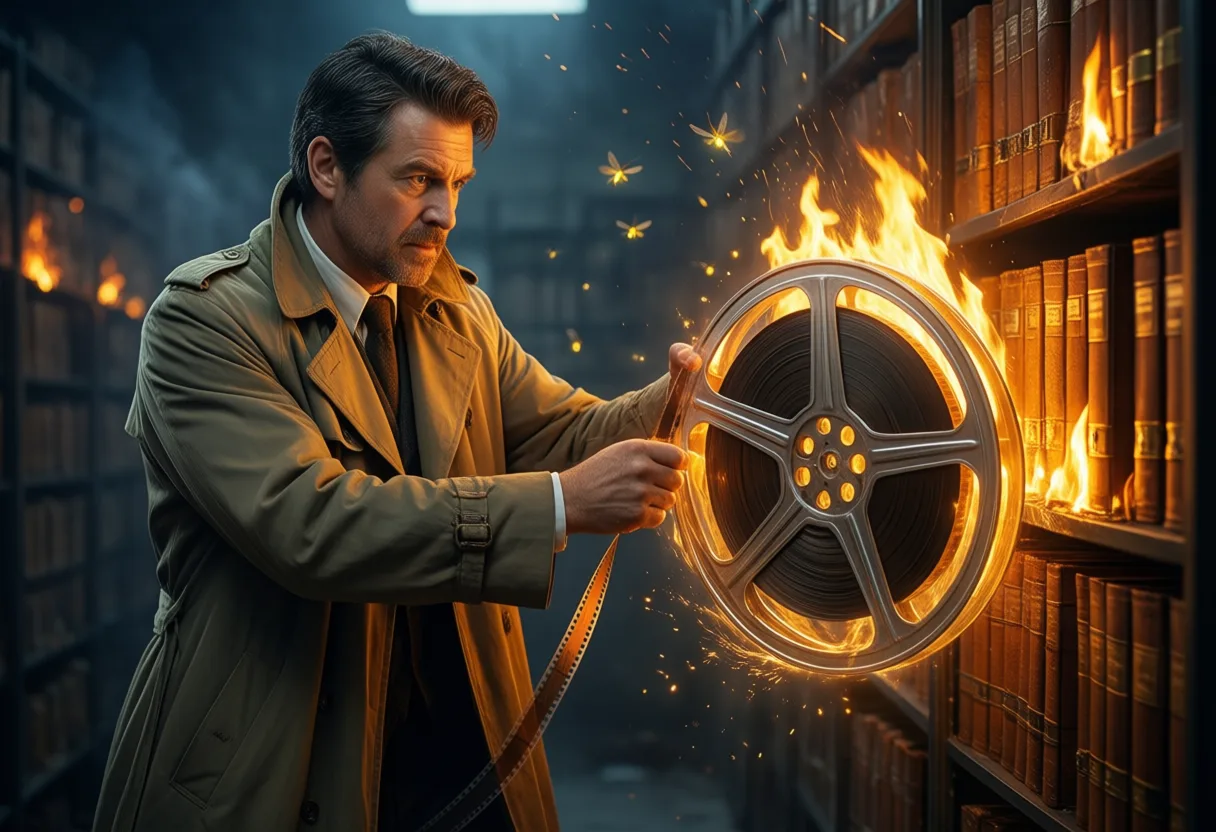
Some filmmakers go all-in on reconstruction. They cast actors, build period sets, and shoot scenes as if making a biopic-only to label the result a “documentary.” This hybrid approach can make distant events feel immediate. A general pacing in his tent before battle? A whistleblower burning documents in the dead of night? These images stick. But they also raise questions: How much is verified? How much is imagined?
Still, pure archive-only films face their own limits. Grainy newsreels don’t always capture nuance. Silent footage lacks context. That’s why many directors layer in expert commentary, survivor testimonies, or animated timelines. The goal isn’t neutrality-it’s Coherence. To make sense of chaos, you sometimes need to impose form. The danger lies in mistaking that form for the whole truth.

Why Accuracy Matters When History Hits the Big Screen
A single misstated date, a fictionalized conversation, a costume out of era-these might seem minor. But Accuracy builds trust, and without trust, a historical film collapses under its own pretense. Audiences may forgive dramatization, but they rarely forgive deception. When a film claims fidelity to fact, it enters into a kind of contract with the viewer-one that demands rigor, not just research.
This is especially true when dealing with trauma. Portraying a massacre, a trial, or a personal betrayal requires sensitivity. Misrepresenting such moments doesn’t just misinform-it can retraumatize. Survivors and descendants watch these films too. Their lived experience is the benchmark, not box office appeal.
That’s why the best historical documentaries invest heavily in vetting. They consult historians, cross-reference sources, and sometimes delay release to correct errors. It’s not about perfection-it’s about responsibility. Even small choices matter: using original audio instead of revoiced dialogue, citing sources on-screen, or acknowledging gaps in the record. These details signal respect-for the past, and for the audience.
How Filmmakers Balance Truth and Narrative Momentum
Here’s the dirty little secret of historical filmmaking: Truth doesn’t always make good drama. Real events unfold messily, without clear protagonists or tidy endings. Yet cinema thrives on structure-three acts, rising tension, catharsis. So how do you stay faithful to facts while keeping viewers glued to their seats?
One solution is selective focus. Instead of covering an entire war, a film might follow one soldier’s diary. Rather than survey a decade of policy, it zeroes in on a single meeting behind closed doors. This narrowing creates intimacy and drive. It turns sprawling history into human-scale stories. But it also means leaving things out-sometimes crucial things.
Pacing is another tightrope walk. Real-time decision-making is slow. Debates drag. Bureaucracy grinds. But no one wants to watch eight hours of committee meetings. So filmmakers compress timelines, merge characters, or invent composite figures. These tools serve narrative flow, but they must be used transparently. Dramatic license isn’t dishonesty-if the audience knows the rules.
Music, lighting, camera angles-these aren’t neutral either. A somber score cues grief. Close-ups suggest importance. Slow motion implies significance. All are valid techniques, but they shape perception. The smartest directors acknowledge this. They don’t hide their craft; they let you see the seams, so you can decide what to believe.
When Real Footage Meets Reconstructed Drama
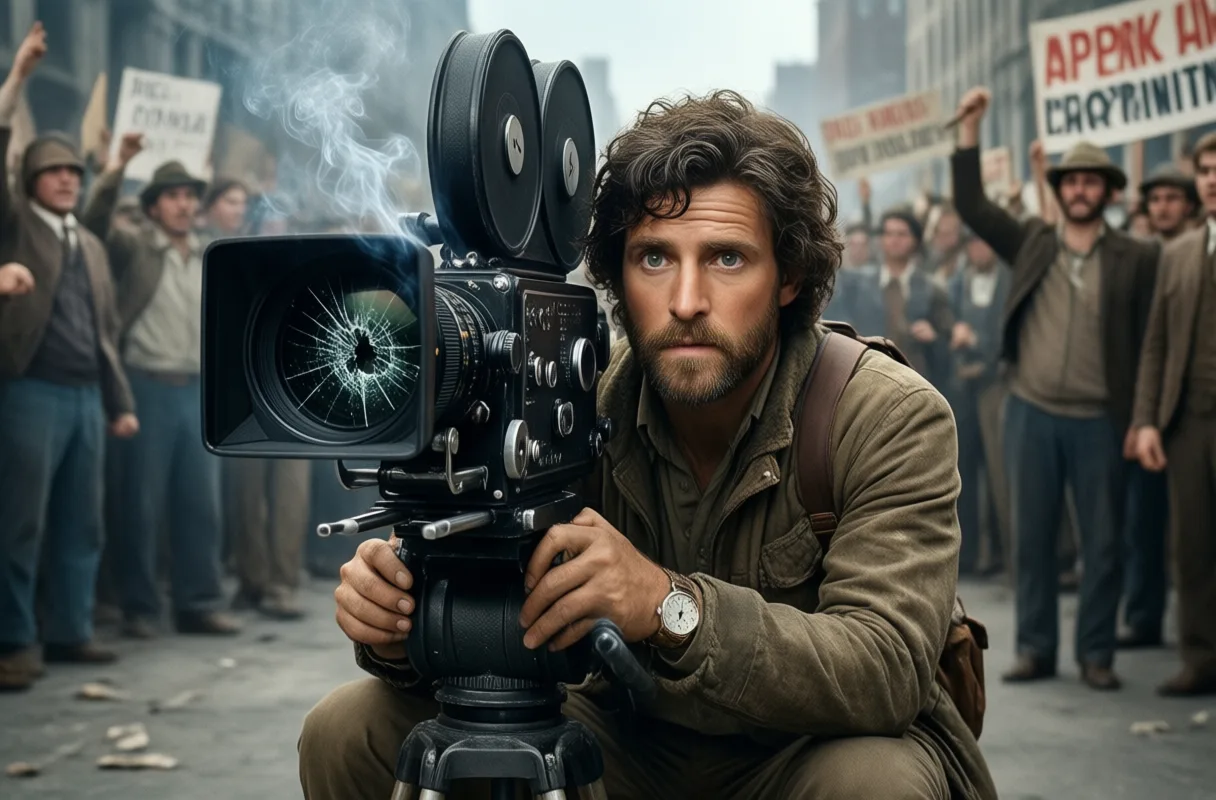
Nothing hits quite like actual footage from the past. A shaky clip of protesters facing police lines. A grainy press conference where a leader makes a fateful announcement. These moments carry an undeniable power-They really happened, and we’re seeing it. But they’re often fleeting, fragmented, or lacking sound. That’s where reconstruction steps in.
Actors step into shoes no one living remembers. Sets replicate buildings long demolished. Dialogue is written based on notes, letters, or declassified transcripts. Done poorly, this feels like cosplay. Done well, it fills in the emotional blanks-the fear in a room, the hesitation before a decision, the private moment no camera caught.
The blend can be seamless. One moment you’re watching real newsreel; the next, a scene unfolds in lush detail, grounded by the knowledge that every prop, every line, was vetted against the record. This hybrid style dominates modern historical storytelling-not because it’s easier, but because It bridges the gap between evidence and empathy.
Still, the contrast can jar. Jumping from black-and-white archive to crisp 4K reenactment reminds us we’re being guided through history, not living it. Some filmmakers lean into that. They use different film stocks, aspect ratios, or visual filters to signal shifts between real and recreated. It’s a subtle cue, but an important one: Here’s what we saw. Here’s what we imagine.
The Role of Primary Sources in Shaping a Documentary’s Voice
Primary sources are the backbone of credible historical filmmaking. Letters, diaries, official records, audio tapes-these aren’t just references. They’re voices from the past, speaking directly. When a director uses them, the film gains authenticity. Not because they’re infallible, but because they’re unfiltered by later interpretation.
Hearing a soldier read his own letter home, or a scientist explain her discovery in her own words-that’s intimacy history books can’t match. These sources shape tone, pacing, even structure. A documentary built around a single journal will feel introspective. One driven by declassified memos will feel tense, procedural.
But primary sources come with baggage. They reflect the biases, blind spots, and limitations of their time. A government report may omit civilian casualties. A personal diary may exaggerate heroism. Using a source doesn’t mean endorsing it-it means engaging with it critically. The best documentaries don’t just quote sources; they interrogate them.
They ask: Who wrote this? Who was excluded? What was left unsaid? And they show that process on screen. By layering multiple perspectives-a protester’s account alongside a police log, for instance-they create a richer, more contested version of events. History isn’t a monologue. It’s a chorus.
Ethical Dilemmas in Depicting Tragedy and Triumph
Not every story deserves to be dramatized. Some wounds are too fresh, some losses too profound. Yet filmmakers keep returning to tragedies-mass shootings, natural disasters, systemic abuses-often within months of the event. Speed can compromise sensitivity. The rush to be first sometimes outweighs the need to be right, or respectful.
Who gets to tell these stories matters. Outsiders may miss nuances. Insiders may be too close to see clearly. There’s growing scrutiny over who profits from pain-especially when survivors see little, while producers collect awards. Compensation, credit, consultation: these aren’t footnotes. They’re ethical imperatives.
Then there’s the question of retraumatization. Showing graphic footage-even to expose injustice-can harm viewers, especially those with direct ties. Some films now include warnings, or offer alternate cuts. Others avoid explicit imagery altogether, trusting implication over exploitation. Restraint can be more powerful than spectacle.
Triumphs pose their own risks. Celebrating a victory without acknowledging ongoing struggles can feel hollow. Framing progress as inevitable undermines the work still needed. The most responsible films resist tidy endings. They honor achievement while reminding us: history isn’t over. It’s still being made.
Navigating Bias in the Retelling of Pivotal Moments
Every filmmaker has a point of view. Pretending otherwise is naive. The real issue isn’t bias-it’s transparency. Acknowledging perspective builds credibility. A documentary that says “this is how one community remembers the event” is more trustworthy than one claiming “this is exactly what happened.”
Bias creeps in through selection: which events to highlight, whose voices to feature, which causes to emphasize. A film about a labor strike might focus on negotiations-or on picket-line violence. Both are real. Neither tells the whole story. The challenge is showing multiplicity without muddying clarity.
Modern documentaries increasingly embrace contradiction. They present conflicting accounts side by side. They let witnesses disagree. They leave questions unanswered. This doesn’t confuse-it educates. It teaches viewers to think critically, to weigh evidence, to sit with uncertainty.
And perhaps that’s the healthiest outcome: not certainty, but curiosity. Not closure, but continued inquiry. Because history isn’t a fixed monument. It’s a conversation-one that deepens with every new perspective, every newly uncovered document, every honest attempt to get it right.

What Audiences Gain from Cinematic Approaches to the Past
Films do what textbooks often fail to: they make history feel alive. You don’t just learn about the fall of a regime-you feel the tension in a backroom deal, the dread in a city under siege. Cinema engages emotion as much as intellect, and that dual impact makes knowledge stick.
Visual storytelling also democratizes access. Complex policies, forgotten figures, global events-these become relatable through character, conflict, and consequence. A student who’d never pick up a biography might be riveted by a performance that humanizes a historical figure.
And let’s not underestimate the ripple effect. A compelling film sparks conversations, sends viewers to search engines, fuels classroom debates. It turns passive viewers into active learners. One great documentary can reignite interest in an entire era.
But beyond education, there’s empathy. Seeing history through someone else’s eyes-especially someone marginalized or maligned-can shift perspectives. It doesn’t erase bias, but it can challenge it. And in a fractured world, that’s no small thing.
Beyond the Hype: Separating Sensationalism from Substance
Let’s cut through the noise: not every glossy historical film earns its gravitas. Some trade in trauma tourism-using tragedy as set dressing for Oscar bait. Others prioritize star power over accuracy, casting A-listers in roles where authenticity should come first. Style shouldn’t eclipse substance.
Red flags are easy to spot. Overuse of ominous music during mundane scenes. Flashy editing that substitutes for insight. Narration that spells out every emotion instead of trusting the audience. These are crutches for weak storytelling.
Substance shows in restraint. In letting silence speak. In using plain language instead of grand pronouncements. The strongest films don’t shout “THIS IS IMPORTANT.” They show it-through detail, patience, and respect for complexity.
Ask yourself: Does this film invite reflection-or just reaction? Does it deepen understanding, or just feed outrage? The difference isn’t subtle. It’s everything.
The Lasting Impact of Seeing History Through a Director’s Lens
No two directors see the past the same way. One might frame a revolution as heroic. Another might stress its chaos and cost. These interpretations matter. They shape collective memory. Over time, certain films become reference points-the way we imagine an event, even if we weren’t there.
That’s both the power and the peril of cinematic history. A single film can correct a myth, resurrect a forgotten figure, or expose a buried crime. But it can also cement misconceptions, especially if it’s widely seen and rarely questioned.
Which is why critical viewing is essential. Audiences should watch with curiosity, not credulity. Ask: What’s included? What’s left out? Whose story is centered? And most importantly: What else should I read?
Because films aren’t endpoints. They’re invitations. To look deeper. To question further. To remember that history isn’t owned by any one storyteller-no matter how compelling their vision.
When the Past Takes Center Stage
More Than Just Talking Heads
Hollywood historical documentaries have a knack for making dusty archives feel alive, and sometimes the real stories behind the filming are just as gripping as the events they portray. While many assume these films rely solely on reenactments and voiceovers, some productions go to extraordinary lengths to capture authenticity-like shooting on location at actual historical sites, even when it means hauling equipment into remote or challenging terrain. These choices aren’t just for show; they help ground the narrative in a tangible sense of place, letting viewers feel the weight of history in every frame.
Some of the most memorable moments in these documentaries come from unexpected sources-like personal letters, forgotten audio recordings, or home movies donated by families with ties to the events. These intimate artifacts often reveal emotional truths that official records miss, adding depth to figures who might otherwise feel distant or one-dimensional. It’s not uncommon for a single photograph or diary entry to become the centerpiece of an entire segment, reshaping how filmmakers approach the story.
Another fun twist? The casting of voice talent sometimes leads to surprising connections-actors with family histories linked to the events they’re narrating. While not scripted, these personal ties can bring an extra layer of sincerity to the delivery. And despite the serious subject matter, behind-the-scenes footage occasionally reveals moments of levity-like crew members trying (and failing) to replicate period-accurate hairstyles or struggling with vintage equipment that looks simple but is anything but. These human moments remind us that history isn’t just about the past-it’s shaped by the people who choose to tell it, one frame at a time. Explore more stories, videos, and creators on Loaded.
Frequently Asked Questions
Why are historical documentaries becoming more popular?
Audiences crave clarity and emotional resonance in an age of information overload. Streaming platforms allow deeper dives into complex historical events, and there is cultural hunger for authentic, fact-based stories that offer a sense of witnessing.
How do filmmakers balance accuracy with engaging storytelling?
Filmmakers use selective focus, compress timelines, and employ dramatic techniques like music and lighting to maintain narrative momentum. They stay truthful by vetting sources, consulting historians, and transparently using dramatic license.
What role do primary sources play in historical documentaries?
Primary sources like letters, diaries, and official records provide unfiltered voices from the past, adding authenticity. They shape the film’s tone and structure, and the best documentaries critically examine these sources by questioning bias and including multiple perspectives.
What ethical concerns arise when depicting tragedies in documentaries?
Filmmakers risk retraumatizing survivors and exploiting pain for awards or profit. Ethical practices include consulting affected communities, offering content warnings, avoiding graphic footage, and ensuring fair compensation and credit for those involved.
This article was produced with AI assistance. How Silver Screen Magazine uses AI.
Rohan Kilpatrick dissects the personal lives of stars with wit and precision, balancing insider access with ethical awareness. He delivers the latest whispers and headlines with a sharp eye for irony, never sacrificing style for sensationalism.