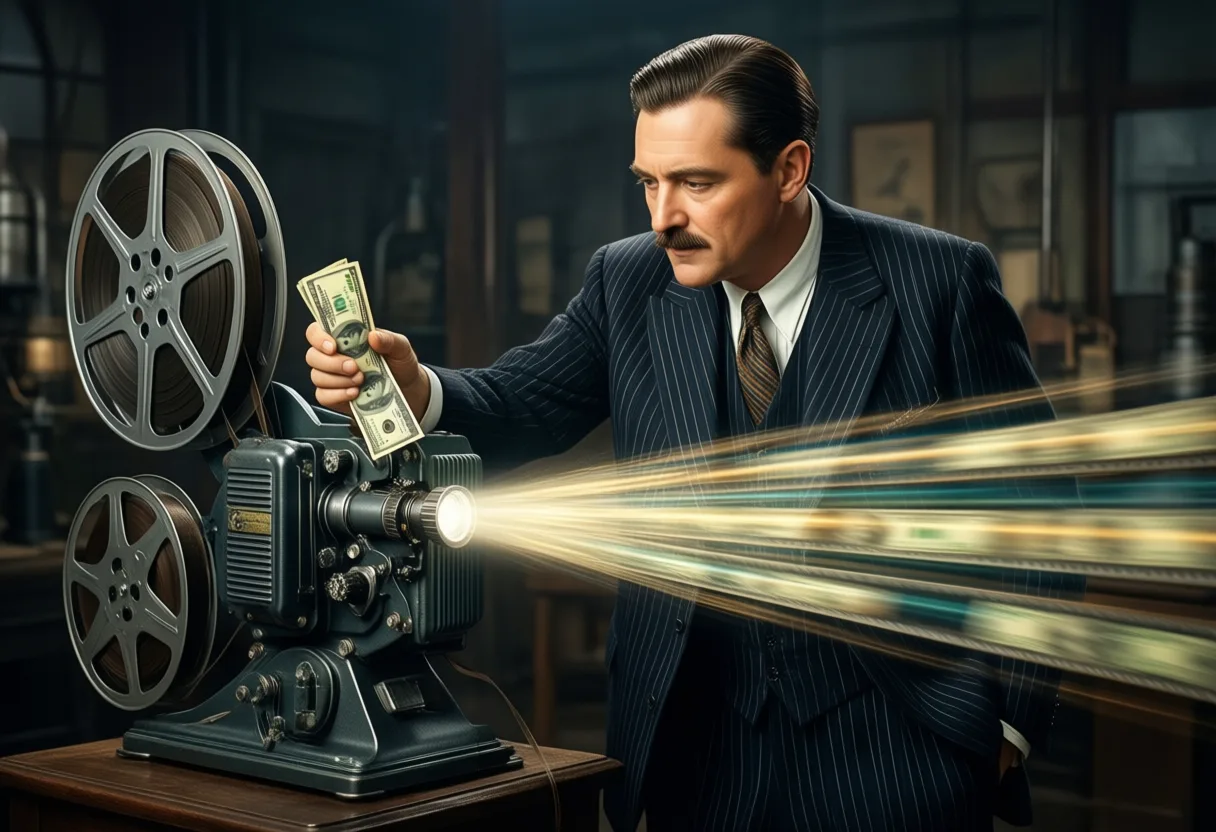

There was a time when the studio lot wasn’t just a workplace-it was a kingdom, a self-contained universe where dreams were manufactured under klieg lights and the scent of sawdust and greasepaint hung in the air like perfume. The great studios of Hollywood’s Golden Age Didn’t merely produce films; they shaped culture, defined stardom, and built mythologies that still echo in the corridors of modern cinema. Now, a new Hollywood history documentary Pulls back the velvet curtain, revealing the machinery, the magic, and the men and women who turned celluloid into legend.

The Studio System: Factories of Fantasy
At the heart of Hollywood’s Golden Age stood the studio system-a tightly controlled ecosystem where every element of filmmaking was owned, operated, and orchestrated under one roof. These were not just production companies; they were empires with casting directors, contract players, in-house composers, Costume designers, and even private publicity machines that could manufacture a star from obscurity. The major studios didn’t respond to trends-they set them, dictating not only what audiences would see but how they would feel.
Each studio cultivated its own identity, a signature tone as distinct as a composer’s leitmotif. One studio might specialize in sleek, shadow-drenched crime dramas that pulsed with moral ambiguity, while another built its reputation on lavish musicals where every staircase was a stage and every glance a promise. The system thrived on efficiency, yes, but also on artistry-directors like Howard Hawks and George Cukor learned to work within constraints, turning limitations into style, repetition into rhythm.
The power was staggering. Stars were bound by long-term contracts, groomed and rebranded at the studio’s whim. A leading man could be recast as a villain, a ingenue transformed into a femme fatale, all with the stroke of an executive’s pen. Yet within this rigid structure, brilliance flourished. The tension between control and creativity gave rise to some of the most enduring films in American history-tales of love, betrayal, ambition, and redemption that still resonate because they were forged in fire.
- Studios operated like clockwork, releasing multiple films a month.
- Talent was under exclusive contract, often for years at a time.
- Every detail, from wardrobe to billing, was tightly managed.
- Innovation emerged not in spite of the system, but because of it.

Behind the Glamour: The Human Cost of Illusion
For all its splendor, the Golden Age was not without shadows. The studio system, for all its grandeur, was built on compromise, exploitation, and the erasure of individuality. Actors Were molded into products, their private lives scrubbed and rewritten by studio press offices. Scandals were buried, marriages orchestrated, and identities carefully curated to maintain the illusion of perfection. The camera loved them, but the studios often did not.
Women, in particular, navigated a labyrinth of control. While some rose to become icons-women whose faces became synonymous with elegance and strength-many others found their careers derailed by refusal to conform. The system rewarded compliance, and those who resisted were often blacklisted, sidelined, or Quietly Dropped when their box office appeal waned. The glamour on screen masked a reality where autonomy was a rare luxury.
Even the directors, often celebrated today as auteurs, worked under immense pressure. They were expected to deliver films on schedule and on budget, with little room for experimentation. Yet within these confines, visionaries found ways to embed subtext, to challenge norms, to smuggle poetry into pulp. A glance held too long, a line delivered with irony, a shadow creeping across a wall-these were the quiet rebellions that gave the era its depth.
The machinery of Hollywood was relentless. It demanded loyalty, conformity, and endurance. But it also demanded excellence. In an age before digital shortcuts and global franchises, every frame was earned through sweat, sacrifice, and an unshakable belief in the power of the image.

The Legacy That Endures
The studio system eventually crumbled, undone by antitrust rulings, the rise of television, and a cultural shift that demanded authenticity over artifice. But its influence lingers in every blockbuster, every red-carpet premiere, every carefully curated celebrity persona. The DNA of the Golden Age is embedded in the way stories are told, stars are made, and audiences are seduced.
Modern filmmakers still draw from the visual language forged in those studio backlots-the chiaroscuro lighting of film noir, the sweeping orchestration of classic melodrama, the precision of studio-era editing. Directors like Martin Scorsese and Paul Thomas Anderson don’t merely reference the past; they converse with it, honoring its craftsmanship while pushing beyond its boundaries. The old rules may have faded, but the emotional grammar remains.
Today’s streaming giants, with their vertical integration and global reach, bear an uncanny resemblance to the old studio monopolies. They control production, distribution, and audience access-echoes of a bygone era reborn in silicon and fiber optics. The tools have changed, but the dream remains the same: to capture lightning in a bottle, to make the ephemeral last forever.
The Hollywood history documentary Does not romanticize the past. Instead, it illuminates it-showing the sweat behind the sparkle, the calculation behind the charisma, and the artistry that somehow, miraculously, survived the machinery. In doing so, it reminds us that cinema is not just entertainment. It is memory, desire, and the enduring human need to see ourselves reflected in the dark, one frame at a time.
| Aspect | Detail |
|---|---|
| Production Control | Studios owned casting, costumes, music, and publicity |
| Actor Contracts | Long-term deals dictated roles and personal appearances |
| Set Design | Backlots featured reusable, artificial environments |
| Creative Constraints | Directors worked under budget and schedule demands |
| Uncredited Work | Writers often revised scripts without recognition |
| Studio Influence | Defined stardom and cultural trends |
Behind the Velvet Rope: Secrets of the Studio Era
The Illusion of Stardom
Moviegoers in the 1930s and 40s often believed their favorite stars lived lives just like on screen, but behind the scenes, studios controlled nearly every detail. Actors were under long-term contracts that dictated not just their roles, but also their public appearances, hairstyles, and even personal relationships. If a star refused a role, the studio could simply suspend them without pay-effectively halting their career until they complied.
More Than Meets the Eye
Many classic films featured uncredited contributions that shaped their legacy. For instance, it wasn’t unusual for screenwriters to punch up dialogue on set, sometimes without formal recognition. Some of Hollywood’s most memorable lines were improvised or polished by writers brought in last minute to fix weak scripts. Studios often kept these changes quiet to avoid extra payments or contractual complications.
Built From Scratch
The lavish sets audiences admired were rarely real locations. Entire European villages, ancient temples, and grand ballrooms were constructed on backlots using wood, plaster, and clever lighting. One famous backlot street was reused across dozens of films with minor modifications-so if you’ve seen enough Golden Age movies, you’ve likely spotted the same gas station or town square popping up in wildly different stories. These reusable sets saved time and money while giving directors a reliable canvas for storytelling. Explore more stories, videos, and creators on Loaded.
Frequently Asked Questions
What was the studio system during Hollywood's Golden Age?
The studio system was a tightly controlled filmmaking ecosystem where major studios owned every aspect of production, from casting to publicity. These studios operated like empires, releasing multiple films a month and shaping cultural trends.
How did studios control actors' lives?
Actors were bound by long-term contracts that dictated their roles, public appearances, hairstyles, and even personal relationships. Refusing a role could result in suspension without pay, halting their career.
What role did backlots play in Golden Age filmmaking?
Backlots were used to construct elaborate sets like European villages and grand ballrooms from wood and plaster. These reusable sets saved time and money while providing a consistent environment for filming.
How did directors maintain creativity under studio constraints?
Directors like Howard Hawks and George Cukor turned limitations into style, using repetition and rhythm to craft enduring films. They embedded subtext and irony within tightly managed productions to express artistic vision.
This article was produced with AI assistance. How Silver Screen Magazine uses AI.
Vivian Chukwu explores golden-age Hollywood with reverence and rigor, unearthing forgotten performances and cultural contexts. She connects archival footage to modern themes, making classic films feel immediate and vital through thoughtful analysis and vivid storytelling.