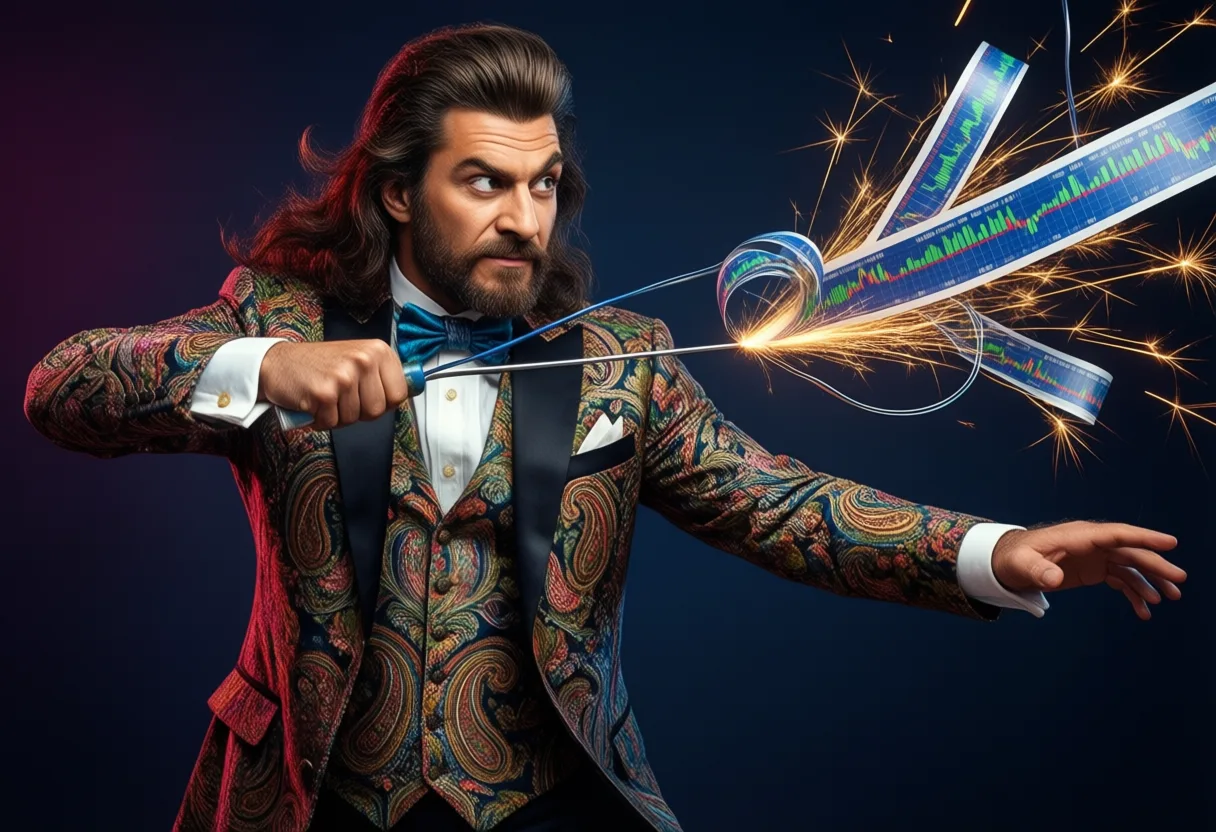
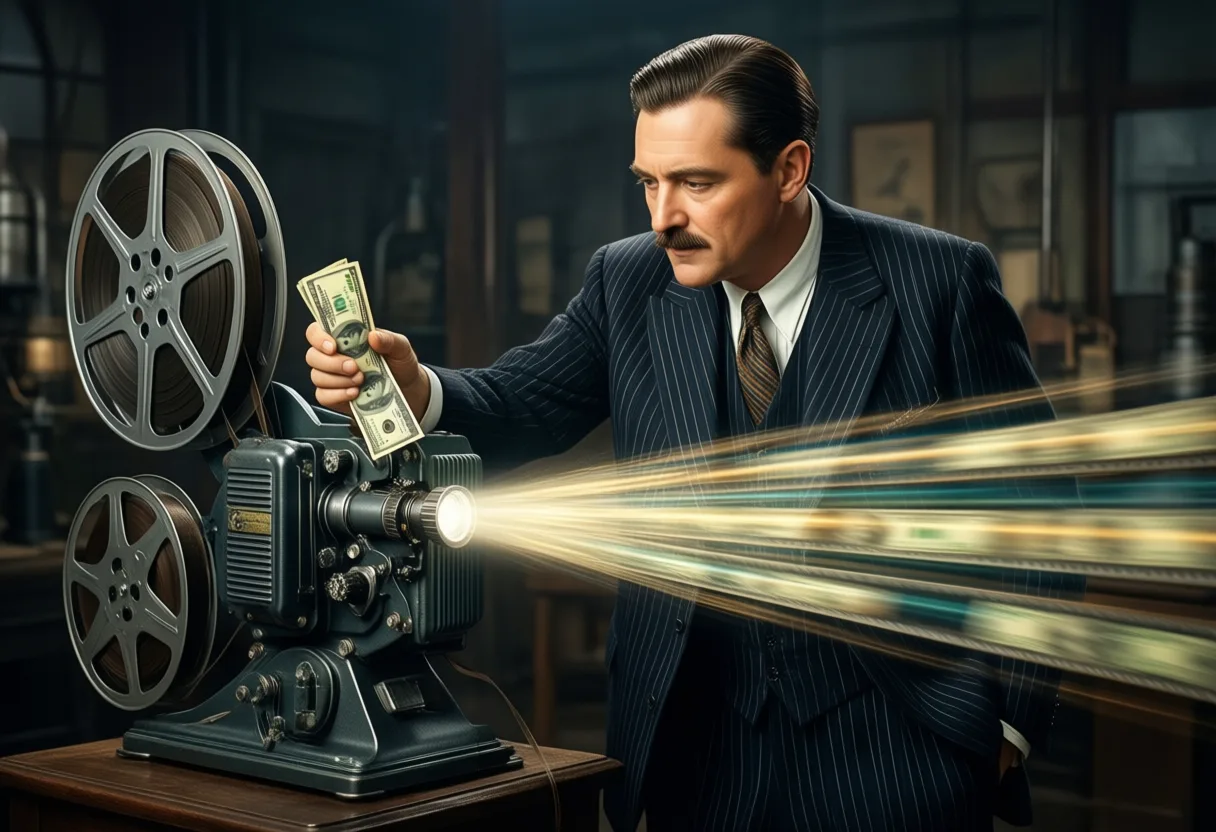
Picture this: a dusty backlot in 1925, where a director barks orders through a megaphone, a starlet adjusts her cloche hat under hot klieg lights, and a studio exec watches from a bungalow, cigar clenched, knowing he holds the strings to a million-dollar dream machine. This wasn’t just filmmaking-it was factory work with glamour, a tightly wound empire where creativity danced with control. Welcome to the Golden age Of the studio system, when Hollywood wasn’t just making movies-it was manufacturing myth.
The Birth of an Empire
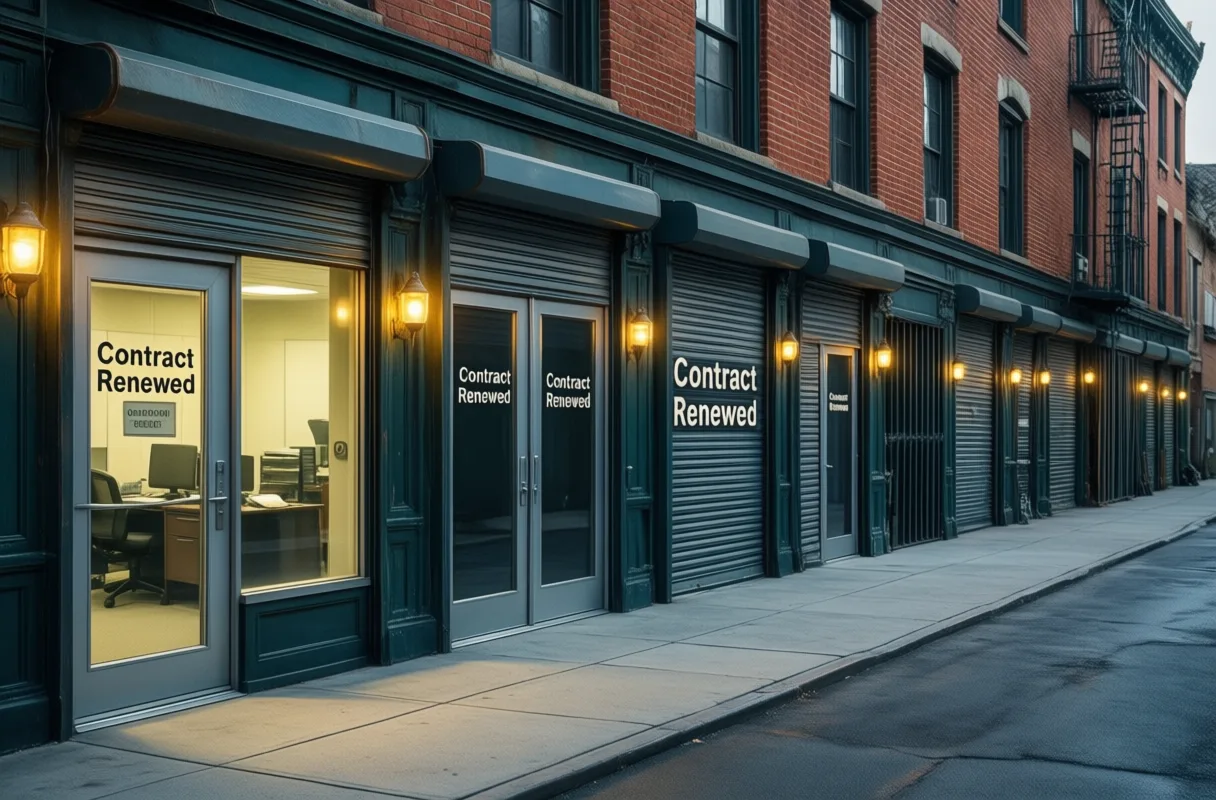
Back when silent pictures still whispered and jazz roared from every speakeasy, a handful of ambitious men saw more than art in those flickering reels-they saw empire. The film industry was a wild frontier, full of inventors, hustlers, and dreamers tossing ideas at the wall to see what stuck. But by the 1920s, the chaos began to settle into something far more structured: the Studio system.
The major studios didn’t just produce films-they owned everything. From the cameras to the theaters, from the actors’ contracts to the music in the score, control was absolute. Studios like Paramount, Warner Bros., and MGM didn’t just make movies-they built cities of illusion, complete with soundstages, costume departments, and publicity mills churning out gossip and Glamour In equal measure.
Think of it as Hollywood’s version Of vertical integration. These studios controlled production, distribution, and exhibition. That meant they made the films, shipped them out across the country, and showed them in their own theaters. No middlemen. No guesswork. Just a seamless pipeline from script to screen.
- Studios signed actors to long-term contracts, shaping their images like clay
- Directors were often employees, assigned projects like factory shifts
- Writers toiled under tight deadlines, churning out scripts on demand
There was no freelancing in this world. You were under contract, and your life-on and off camera-was often managed by the studio’s publicity department. Want to date a co-star? Hope the studio approves. Want to change your name? Too late-Betty Joan Perske is now Lauren Bacall.
The Machine Behind the Magic
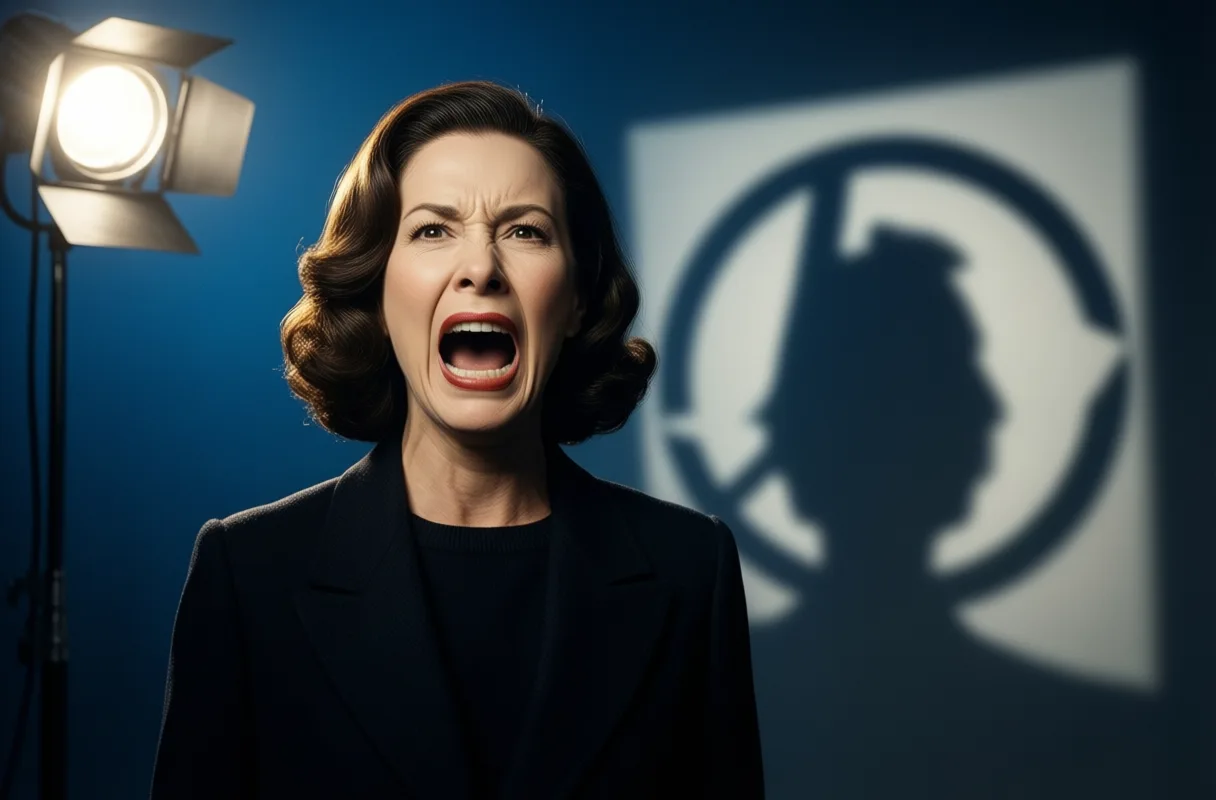
Let’s be clear: the studio system wasn’t subtle. It was a well-oiled machine, built for speed, consistency, and profit. But within that rigidity, something magical happened. Some of the greatest films in cinema history were born in this pressure cooker.
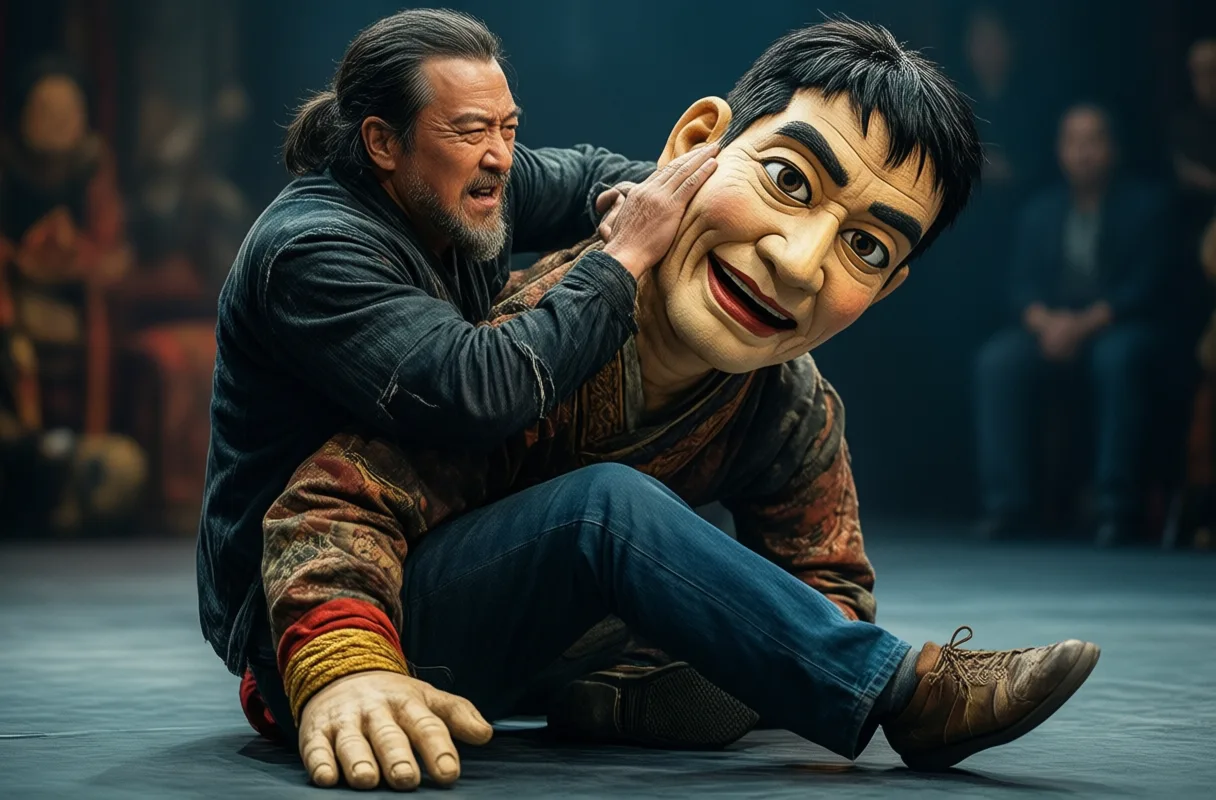
Stars weren’t discovered-they were made. The studios had teams of makeup artists, voice coaches, and etiquette tutors shaping raw talent into polished icons. A farm girl from Minnesota could become a sultry siren; a Brooklyn tough could morph into a swashbuckling hero. The transformation was part of the fantasy.
And the output? Relentless. Studios released a new picture-sometimes multiple-every week. The assembly-line pace meant directors worked fast, often shooting in ten days or less. But constraints breed creativity. Some of the sharpest dialogue, most inventive camera work, and enduring performances came from filmmakers who had to work within the system-or around it.
Consider the rise of the genre picture. Studios knew what sold-gangster films, musicals, westerns, screwball comedies-and they delivered them like clockwork. Audiences didn’t just go to the movies; they went to see A Warner Bros. Gangster picture Or An MGM musical. Branding, before the word even caught on.
The studio heads-men like Louis B. Mayer, Jack Warner, and Harry Cohn-ruled with iron fists and sharp instincts. They weren’t film critics or auteurs; they were showmen who understood audiences. They knew when to push sentiment, when to flirt with danger, and when to cut a scene that didn’t test well.
And let’s not pretend it was all glamour. The system was rigid, often exploitative. Actors had little freedom. Writers were underpaid and overworked. Dissent was quietly buried. But for all its flaws, it produced a body of work that still defines classic Hollywood.
The Decline and the Legacy
No empire lasts forever. By the late 1940s, the studio system began to crack. The reasons were many-changing audiences, new technology, and a landmark Supreme Court decision that broke up the studio-theater monopolies.
The end didn’t come with a bang, but with a series of legal gavels. The courts ruled that studios could no longer own the theaters that showed their films. That severed the golden pipeline. Without guaranteed exhibition, the old model collapsed. Studios had to adapt or fade.
The rise of television didn’t help. Suddenly, audiences could stay home. The spectacle that once filled theaters now had to compete with a glowing box in the living room. Studios responded with widescreen formats, Technicolor epics, and 3D gimmicks-but the old rhythm was gone.
And the stars? They smelled freedom. With the contract system weakening, actors and directors began to demand more control. The idea of the filmmaker as artist, not employee, started to take hold. By the 1960s, the old studio bosses were relics, and a new generation-more rebellious, more personal-was taking over.
Yet the shadow of the studio system lingers. Modern franchises? They’re the spiritual heirs of those old genre factories. Blockbuster schedules? Same relentless pace, just with bigger budgets. And the cult of celebrity? That playbook hasn’t changed a bit.
The studio system was flawed, authoritarian, and often ruthless. But it also gave us some of the most enduring images in film history. It turned movies into mass culture-and made Hollywood the dream capital of the world.
| Studio | Known For | Notable Traits |
|---|---|---|
| MGM | Musicals, star-studded films | Called itself 'the Tiffany of studios'; had Greta Garbo, Judy Garland |
| Paramount | Glamorous productions, noir films | Rebranded Frances Farmer as 'Frances Dee'; focused on image control |
| Warner Bros. | Gangster films, social dramas | Known for fast-paced storytelling and gritty urban settings |
The Golden Age of Studios
How the Big Five Ruled the Roost
Back in the 1930s and '40s, a handful of studios didn’t just make movies-they Were Hollywood. Companies like MGM, Paramount, and Warner Bros. Operated like movie factories, owning everything from the script pages to the theater seats. They signed actors, directors, and writers to long-term contracts, which meant stars like Clark Gable or Bette Davis were essentially property of the studio, expected to churn out film after film, often with little say in their roles. This tight control helped pump out hundreds of movies a year, keeping audiences fed with musicals, noir thrillers, and swashbucklers on a near-weekly basis.
One of the wildest behind-the-scenes truths? Studios often Created Their stars’ entire lives. If a leading lady’s real name didn’t sound glamorous enough, it got changed-sometimes on the spot. Katharine Houghton became Katharine Hepburn, and Frances Farmer was briefly rebranded as “Frances Dee” by Paramount. Even personal lives weren’t off-limits; studios planted fake romance stories in gossip columns and sometimes forced actors into arranged publicity marriages to protect their image. It was less about art and more about brand management-long before that term existed.
The Assembly Line of Dreams
MGM, under Louis B. Mayer, called itself “the Tiffany of studios” and wasn’t shy about it. They even trademarked the phrase “More stars than there are in heaven,” and with good reason-they had contract players like Greta Garbo, Spencer Tracy, and Judy Garland all on the payroll at once. Movies were shot quickly, sometimes in just a few weeks, using standing sets that got repurposed across genres. A Western town one week could be a European village the next, saving time and cash. This efficiency meant audiences could see the same actor in wildly different roles month after month, never quite realizing it was all happening on the same backlot in Culver City.
And while the studio heads ruled with an iron fist, some rules had funny loopholes. Censorship was strict under the Hays Code, banning everything from swearing to showing married couples in the same bed. Clever directors got around this by, say, cutting to a steam kettle whistling just as a couple embraced-letting the audience imagine the rest. These creative workarounds became part of what made the era’s films so memorable, proving that even with tight control, ingenuity still found a way to shine through. Explore more stories, videos, and creators on Loaded.
Frequently Asked Questions
What was the studio system in Hollywood?
The studio system was a factory-like model where major studios controlled film production, distribution, and exhibition. They owned everything from cameras to theaters and signed actors, directors, and writers to long-term contracts.
Which studios were part of the Big Five in Hollywood's golden age?
The Big Five studios were MGM, Paramount, and Warner Bros. These companies dominated Hollywood in the 1930s and '40s by operating as self-contained movie factories.
How did studios create and manage movie stars?
Studios transformed raw talent into polished icons using makeup artists, voice coaches, and etiquette tutors. They changed actors' names, controlled their public images, and even arranged publicity marriages to protect their brand.
Why did the studio system decline?
The system declined due to a Supreme Court decision that ended studio ownership of theaters, the rise of television, and changing audience habits. Without guaranteed exhibition, the old model collapsed.
This article was produced with AI assistance. How Silver Screen Magazine uses AI.
Rohan Kilpatrick dissects the personal lives of stars with wit and precision, balancing insider access with ethical awareness. He delivers the latest whispers and headlines with a sharp eye for irony, never sacrificing style for sensationalism.