
History On film is never just a mirror-it’s a mosaic, pieced together from memory, myth, and moment. The grandest epics we cherish often blur the line between what happened and how we wish it had unfolded.
For decades, audiences have turned to cinema not only for escape but for understanding-of kings and revolutions, wars and reckonings. Yet behind every sweeping battle sequence and whispered political intrigue lies a deeper question: how much of it is true?
As we navigate the terrain of historical cinema, we must learn to distinguish reverence from reinvention, and honor the past without confusing drama for documentation.
How Accurate Are the Historical Epics We Love?
Hollywood has long been captivated by the past, drawing inspiration from pivotal events and legendary figures. These films promise not just spectacle, but insight-offering viewers a window into bygone eras through the lens of Modern storytelling.
Yet the pursuit of emotional truth often comes at the expense of factual precision. Costume, setting, and dialogue may be meticulously recreated, but narrative arcs are frequently reshaped to fit the rhythms of drama rather than the irregular cadence of reality.
Consider how timelines are compressed, characters combined, and motives simplified. A complex political coup may be distilled into a single decisive moment; a lifetime of moral ambiguity reduced to a hero’s final redemptive act.
Such changes are not always failures of integrity-they are often necessities of form. But they demand that Audiences watch With discernment, aware that What we see is shaped as much by screenwriters as by historians.
The Truth Behind the Silver Screen
Historical films Operate in a space between education and entertainment, where accuracy must compete with pacing, clarity, and emotional payoff. The most compelling stories often hinge on clear protagonists and antagonists, even when history offers only shades of gray.
Many filmmakers begin with rigorous research, consulting archives and scholars to ground their vision. Authentic details-uniforms, architecture, period speech-are painstakingly recreated to build immersion and credibility.
But authenticity in appearance does not guarantee fidelity in narrative. A film may capture the look of 18th-century Paris perfectly while distorting the motivations of its revolutionaries beyond recognition.
This duality is central to the genre: the surface may gleam with historical detail, but beneath it, the story often serves contemporary concerns more than past realities. The past becomes a stage, and the actors play roles written not for their time, but for ours.
What Really Happened vs. What We Were Shown
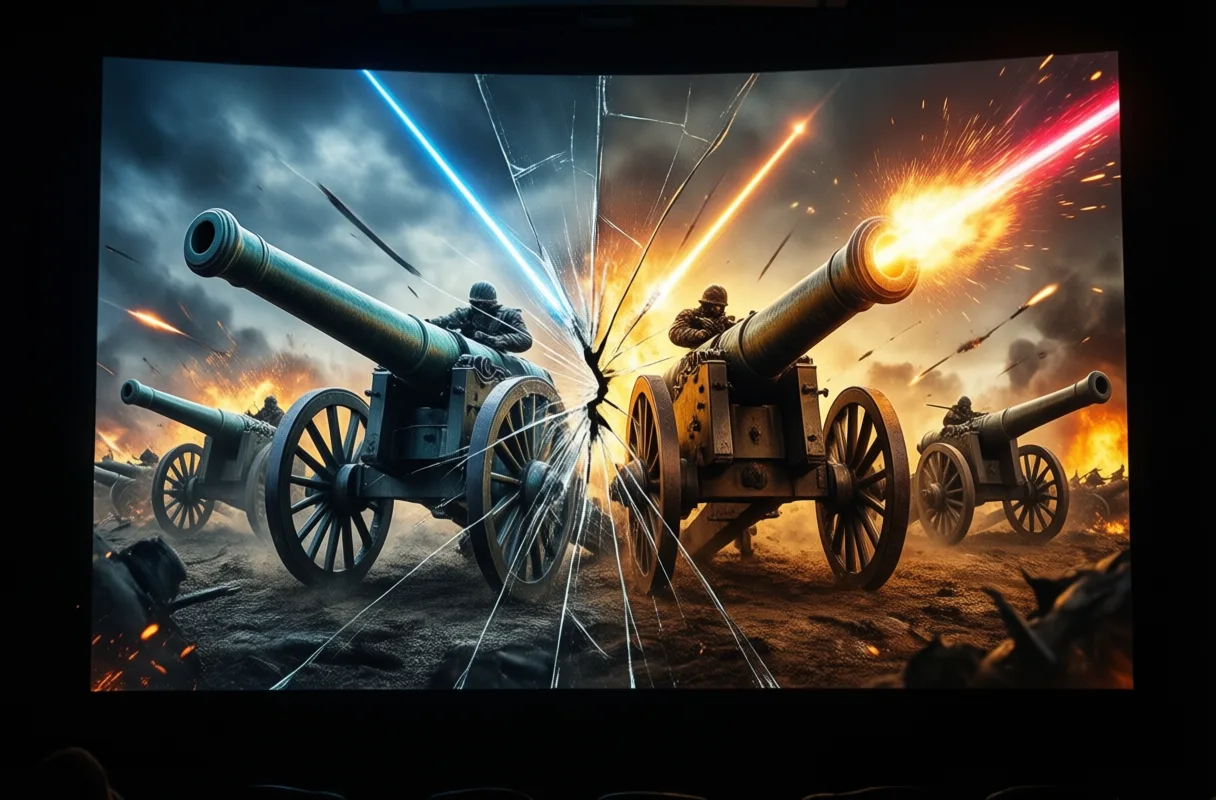
One of the most persistent challenges in historical filmmaking is the compression of time. Events separated by years are made to unfold in days, and decades of personal evolution are conveyed in a single montage.
Characters are frequently merged for narrative efficiency. A real-life figure may be given the actions or lines of several individuals, creating a composite that feels cohesive but is fundamentally fictional.
In some cases, entire subplots are invented to heighten tension or deepen emotional stakes. Diplomatic negotiations may be replaced with dramatic confrontations; private moments imagined where no records exist.
These liberties can make history more accessible, but they also risk misinforming. When audiences walk away believing fiction, the film’s power becomes a double-edged sword-one that can illuminate or obscure the past.
When Drama Overrides Documentary
There is no rule that historical films must be documentaries, Nor should There be. The goal of cinema is not merely to record, but to interpret-to find meaning in the chaos of events.
Dramatic emphasis often shifts focus from the collective to the individual. A single soldier’s experience may stand in for an entire army; a monarch’s inner turmoil may symbolize a nation’s crisis.
This focus on personal journey can yield profound emotional truths, even when the specifics are invented. The feeling of fear before battle, the weight of command, the grief of loss-these resonate regardless of historical precision.
Still, when Drama overrides documentary, the line between insight and distortion grows thin. The danger lies not in storytelling, but in presenting invention as fact.
Why Some Films Get the Past Right
Certain historical films achieve a rare balance-delivering compelling drama while remaining faithful to the known record. These works often benefit from deep collaboration between filmmakers and historians.
They resist the temptation to oversimplify, embracing complexity instead of reducing history to a morality play. Characters are allowed contradictions; outcomes remain uncertain until the end.
Such films treat history not as a backdrop, but as a subject worthy of respect. They acknowledge gaps in the record without rushing to fill them with speculation.
Notable examples often emerge from filmmakers known for their meticulous approach-those who see the past not as raw material for myth, but as a living, breathing continuum that demands careful stewardship.
The Fine Line Between Fact and Fiction
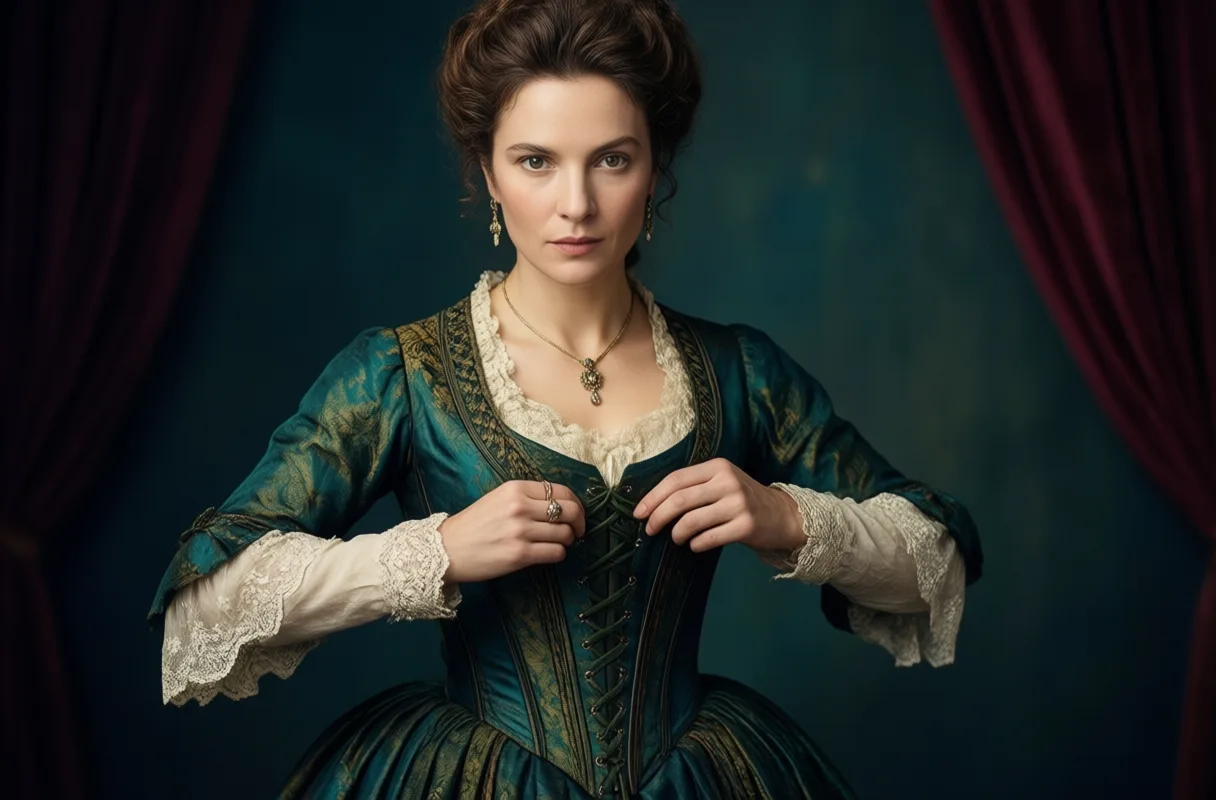
Every historical film walks a tightrope between truth and invention. Too much adherence to fact can result in a dry, lifeless recitation; too much fiction risks betrayal of the real people and events it portrays.
The best films acknowledge this tension, using cinematic tools not to deceive, but to clarify. Visual symbolism, selective focus, and narrative framing can highlight truths that raw data alone cannot convey.
Yet this power carries responsibility. When a film reaches millions, its version of history can become the dominant one-regardless of its accuracy.
That is why transparency matters. Audiences deserve to know when a scene is speculative, when a character is composite, when dialogue is imagined. The Fine line between fact and fiction Should be visible, not erased.
How Hollywood Rewrites History for Impact
Hollywood often reshapes history to reflect the values and anxieties of the present. A film made in the 1950s may portray empire as noble, while a 2020s counterpart critiques colonialism with sharp clarity.
This is not inherently dishonest-art is always a product of its time. But it means that historical films are as much about the era in which they are made as the one they depict.
Rewriting history can serve noble purposes: giving voice to the marginalized, correcting long-standing omissions, or challenging outdated myths. But it can also reinforce new biases under the guise of progress.
The key is intention. Are changes made to deepen understanding, or to manipulate sentiment? Do they open dialogue, or close it? These questions define the integrity of the work.
Ranking Iconic Historical Films by Fidelity to the Record
While no definitive ranking can claim universal authority, certain films consistently stand out for their commitment to historical accuracy.
At the top are those that prioritize documentation without sacrificing drama-works where every major event, decision, and dialogue exchange is grounded in verifiable sources.
These include films that:
- Present multiple perspectives on controversial events
- Avoid invented characters in pivotal roles
- Clearly distinguish between fact and speculation in post-credits notes
Conversely, films that take significant liberties-altering outcomes, fabricating relationships, or misrepresenting motives-rank lower in accuracy, even if they excel as cinema.
Still, lower accuracy does not mean lesser value. A film like Amadeus May distort Mozart’s life, but its exploration of genius and envy remains timeless.
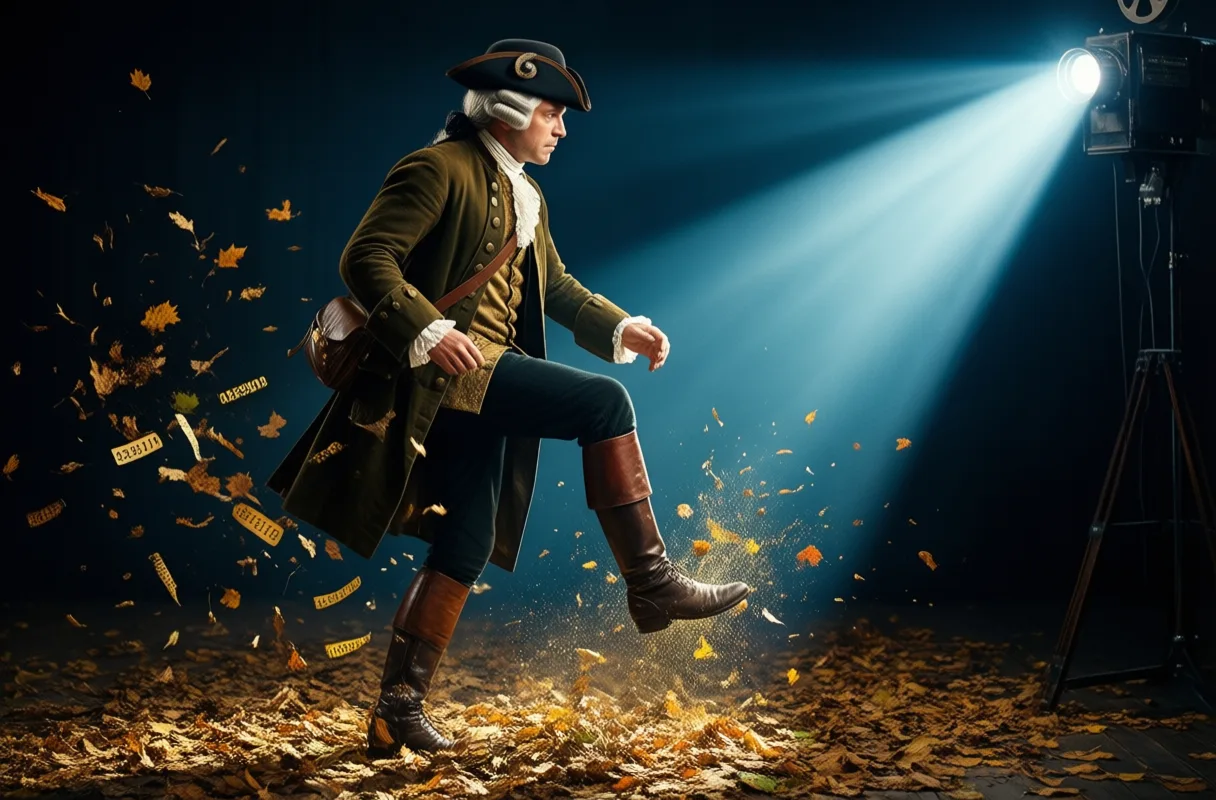
From Triumph to Invention: The Spectrum of Truth
Historical films exist on a spectrum, ranging from near-documentary precision to bold reimagining. At one end are films like All the President’s Men, which reconstruct real events with journalistic rigor.
At the other are works like Braveheart, which use historical settings as springboards for mythic storytelling. The kilted Scots, dramatic battles, and invented romances serve legend more than ledger.
Between these poles lies most of cinema-a blend of research and invention, where truth is filtered through creative necessity.
Understanding where a film falls on this spectrum allows viewers to appreciate it on its own terms, without mistaking artistry for archive.
What to Watch for When Viewing History on Screen
When watching a historical film, ask: who is at the center of the story, and whose voices are missing? History is rarely about one person, yet cinema often tells it that way.
Look for signs of research-accurate uniforms, correct technology, period-appropriate language. These details suggest a commitment to authenticity, even if the plot wanders.
Be alert to Narrative shortcuts: sudden betrayals with no buildup, last-minute revelations, or villains who exist solely to oppose the hero. These are often red flags for fabrication.
And remember, you can deepen your understanding by pairing films with further reading or documentaries. For performances that bring history to life with nuance, consider exploring an amy adams movies list: 10 Unforgettable Roles You Can’T Miss to see how one actor embodies truth across genres.
Why Accuracy Matters-Even in Entertainment
Accuracy in historical films is not about policing creativity, but about honoring the real lives that shaped our world. Every figure on screen once breathed, struggled, and made choices within constraints we can only imagine.
When films get the details right, they create a bridge to empathy-one that allows us to stand, however briefly, in the shoes of those who came before.
Even in entertainment, there is a duty to truth. Not every film must be a textbook, but every film should respect the weight of history.
Because when we remember correctly, we are better equipped to understand not just where we’ve been-but where we’re going.
When Hollywood Meets History
The Fine Line Between Fact and Fiction
You know how some history movies make you feel like you're right there in the past? Well, sometimes you're actually watching something that never happened. Many big-budget films take liberties with timelines, characters, and events to make a better story. For example, several famous war films compress battles that took weeks into just a few intense scenes. Real history doesn't always follow a neat script, so filmmakers often tweak details to keep audiences engaged.
Surprising Truths Behind the Scenes
Believe it or not, some of the most dramatized moments in historical films are actually based on real events. One well-known courtroom drama sticks surprisingly close to the actual trial transcripts, even using dialogue pulled straight from court records. Meanwhile, a popular royal biopic got the wardrobe spot-on-costume designers studied portraits and surviving garments to replicate every lace and button with impressive precision.
Accuracy That Pays Off
Films that invest time in research often earn respect from both critics and scholars. A few titles on the list are so accurate they’ve been used in classrooms. One epic about ancient leadership even consulted historians during filming to get the politics and culture right. While not every detail is perfect, these movies show that telling the truth can be just as compelling as making it up.
Frequently Asked Questions
How accurate are historical movies typically?
Historical movies often blend fact and fiction, using authentic details like costumes and settings while reshaping timelines, characters, and motives for dramatic effect. Accuracy varies widely across films.
Why do filmmakers change historical facts?
Filmmakers alter facts to enhance drama, simplify complex events, and create emotional impact. Compressing time, merging characters, and inventing scenes help shape compelling narratives.
Which historical films are most faithful to real events?
Films like All the President’s Men rank high for accuracy, using journalistic rigor and verifiable sources. They avoid invented pivotal characters and present multiple perspectives on events.
Can historical films be used for learning?
Some accurate historical films have been used in classrooms and consult historians during production. However, viewers should pair films with further research to distinguish fact from invention.
This article was produced with AI assistance. How Silver Screen Magazine uses AI.
Simone Reyes tracks shifts in film distribution and digital platforms with clarity and foresight, translating complex trends into accessible insights. She bridges the gap between corporate moves and viewer experience, illuminating how the business shapes what we watch.