
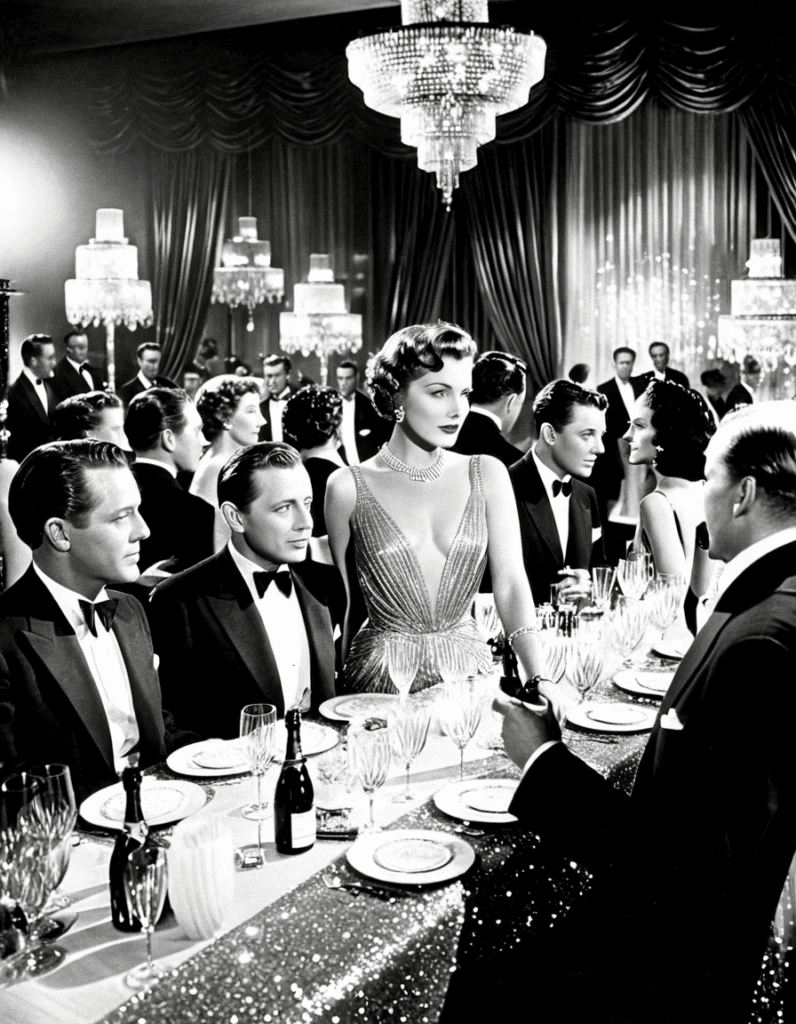
Sunset Boulevard, the name evokes visions of Hollywood glamor and the thrilling spectacle of film. This iconic stretch represents more than just a road; it’s a microcosm of dreams and despair, fame and failure. The boulevard has been home to both lavish parties and tragic tales, embodying the duality of the entertainment industry. It continues to captivate everyone with stories of Legendary figures Like Gloria Swanson while acting as a backdrop for David Lynch’s curious narratives-tales that reflect the seductive and often menacing nature of showbiz. Let’s peel back the layers of Sunset Boulevard and explore its glamorous life and dark secrets.
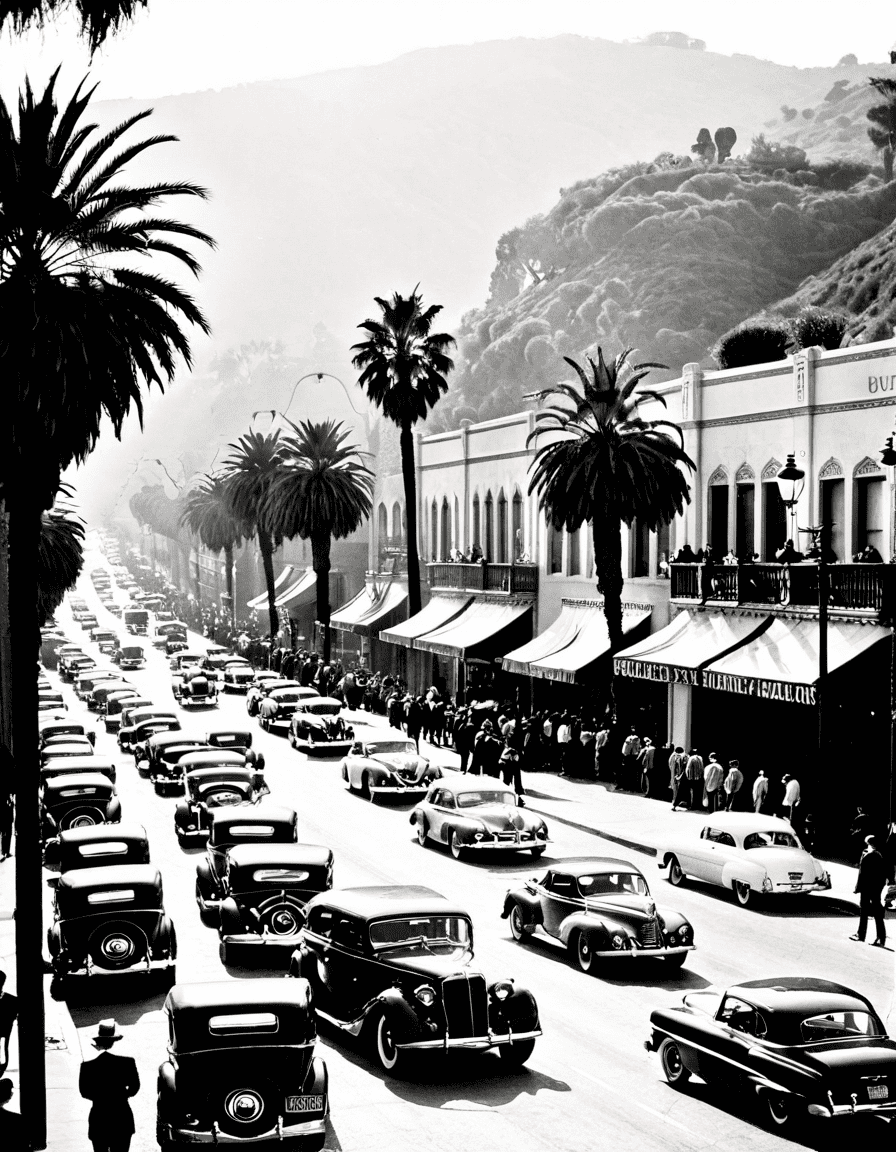
The Rise and Fall of Stars on Sunset Boulevard
The Golden Age of Hollywood
During the 1920s and 1930s, Sunset Boulevard thrived as a playground for Hollywood’s elite. Icons like Mary Pickford and Douglas Fairbanks constructed opulent homes, turning the street into a symbol of affluence and success. Greystone Mansion serves as a striking example of this decadence, its grandiose architecture a testament to aspirations and creative ambition.
The era was defined by lavish lifestyles and wild parties, where the glimmer of Hollywood’s golden age dazzled both stars And fans alike. However, this brightness wasn’t an endless flame. As the spotlight shifted, many stars struggled to adapt to the Changing landscape of cinema. Often, the transition from leading Roles to obscurity felt akin to a fall from grace.
The Descent into Obscurity
As many Stars faded Away, their stories became interwoven with the magic of Sunset Boulevard. Norma Desmond, the unforgettable character from “Sunset Boulevard,” Embodies this struggle. She symbolizes countless actresses who, after the glitter faded, found the transition into obscurity challenging. Real-life parallels abound, from the Tragic tales Of Marilyn Monroe to the struggles of Judy Garland, each crashed by the weight of stardom.
Barely clinging to their past glories, these Figures mirror the character’s obsessive desire to return to fame. The allure of stardom often comes with a price. Individuals navigate the fine line between brilliance and despair, highlighting how Hollywood can sometimes provide a cruel twist Of fate.
The Haunted Heritage
Mystery accompanies beauty, especially on Sunset Boulevard. Renowned hotspots like the Chateau Marmont carry tales of both glamour and tragedy. With its rich history, it has hosted many superstars and is notorious for tales of substance abuse that underpin the darker side of fame. Celebrities such as John Belushi and River Phoenix once graced its halls, serving as somber reminders of the shadows lurking Behind stardom.
These hauntings aren’t just figurative; they reflect the struggles of Stars caught in the highs and lows of fame. The pressure to maintain a pristine public image often results in a Tragic struggle With mental health and substance misuse. Musi, a piece that delves into these dark corners, illustrates that beneath the surface glamour of Sunset Boulevard, an emotional battle rages on.
Sunset Boulevard vs. Seventh Avenue: Hollywood’s Dueling Glamour Streets
Fashion vs. Film
The allure of Sunset Boulevard often finds itself contrasted with the vibrant energy of Seventh Avenue in New York. While one symbolizes cinematic history, the other stands as the capital of fashion. Seventh Avenue, famously dubbed “Fashion Avenue,” is home to industry titans like Calvin Klein and Donna Karan, whose presence casts a different kind of spell.
Both streets present a view into the luxurious lifestyles that celebrities lead, but they represent unique facets of fame. On Sunset Boulevard, the dream fulfilled is displayed on a Silver screen, while on Seventh Avenue, it is showcased in high fashion. The narratives they convey are essential, revealing the broader societal issues surrounding fame, success, and the price that comes with it.
Cultural Influence
Culturally, both streets encapsulate powerful narratives that resonate widely. Sunset Boulevard is often the stage for exciting film festivals and exhilarating Hollywood events. In contrast, Seventh Avenue acts as a barometer for global Fashion trends, engaging audiences during New York Fashion Week. The cultures may differ, yet both are emblematic of society’s obsession with celebrity and success, intertwining the Tales of those who walk Their prestigious pathways.
Architectural Iconism
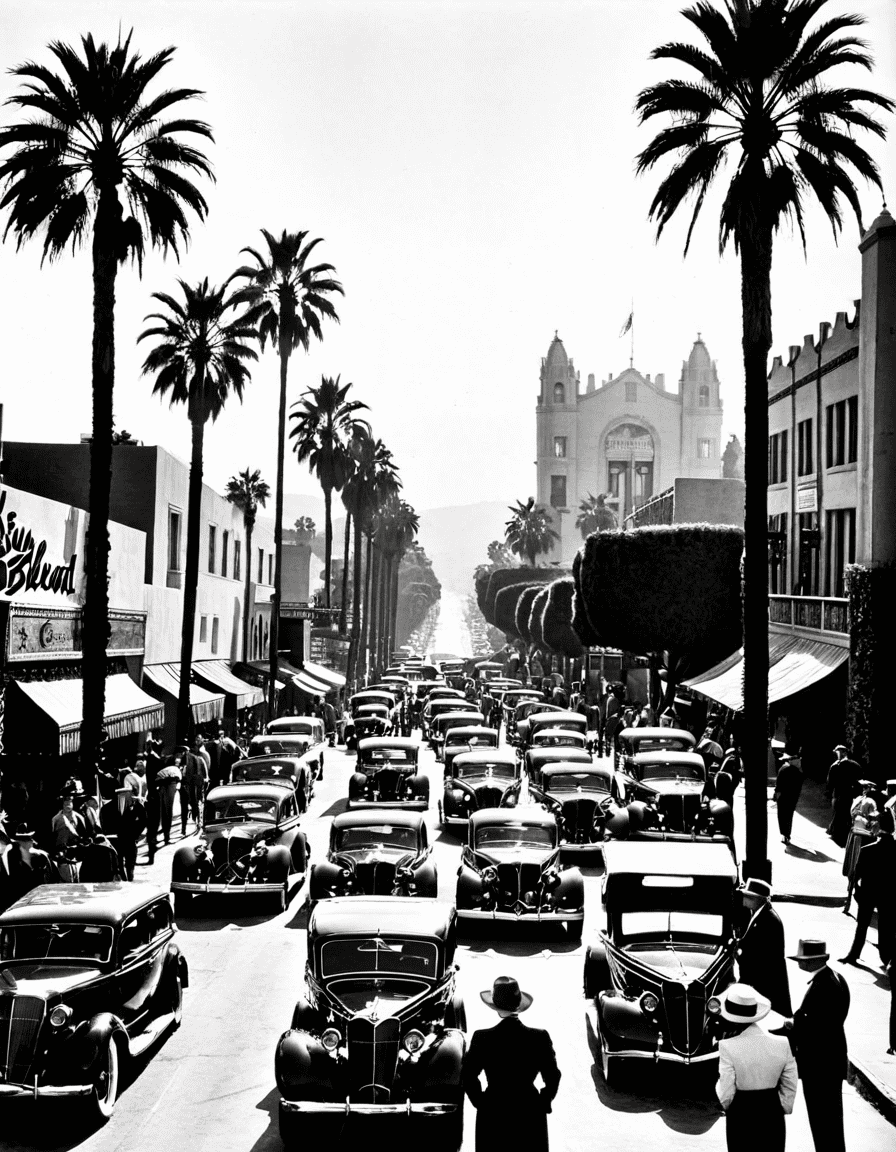
Architecturally, Sunset Boulevard’s Art Deco theaters evoke nostalgia for a bygone era. Think of it as a time capsule that holds the hopes and dreams of countless artists. Conversely, Seventh Avenue features sleek and Modern designs That define contemporary aesthetics, merging function and style seamlessly. While Sunset Boulevard offers a backdrop rich in cinematic history, Seventh Avenue pulsates with the heartbeat of Today’s fashion-forward world.
Beverly Hills: The Pinnacle of Stardom on Sunset Boulevard
Celebrity Homes and High Society
Just a stone’s throw from Sunset Boulevard lies Beverly Hills, a town synonymous with wealth and Celebrity culture. Rodeo Drive epitomizes luxury shopping, luring in tourists and locals alike with high-end brands like Gucci and Louis Vuitton. This area stands as a beacon of opulence, paralleling the extravagance depicted in films like Not Without My Daughter, where the mystique of Beverley Hills shines through.
These Glamorous streets offer a glimpse into the lives Of those who call this place home. Whether it’s Trevor Donovan Driving his flashy car or enjoying fine dining, Beverly Hills radiates an aura of wealth that’s hard to ignore. The lifestyle contrast, when viewed alongside the narratives of those on Sunset Boulevard, portrays a Striking picture of Hollywood’s Elite.
The Duality of Fame
Yet, Beverly Hills Isn’t just about the glitzy exterior. Beneath the surface lies the high stakes of celebrity culture. The duality of stardom is exemplified here, with Stars Often thriving in the public eye yet retreating to Beverly Hills for privacy. They are known to grapple with the challenges of life in the limelight.
Take Michael J. Fox, for instance-a Talent that shines brightly Yet illustrates the struggle between public success and private challenges. The drive to maintain both fame and mental well-being often leads to an intricate dance with dark Realities.
The Community’s Darker Side
Behind the façade of perfection, the residents Wrestle with the pressures inherent to fame. Many stars facing mental health crises have walked these streets, their Stories often unheard in the glow of Hollywood Lights. The path that Britney Spears took is emblematic of this reality-a tragic representation of how the burdens of celebrity culture can lead to very real battles.
These darker realities of Beverly Hills serve as reminders. As Glamorous as the life Often appears, it can lead to isolating experiences and mental turmoil. The Journey highlights the unseen struggles That come with public adoration, showcasing a side of fame that’s rarely explored in a positive light.
Rethinking Sunset Boulevard’s Legacy
The romance of Sunset Boulevard, though captivating, beckons deeper exploration. This storied street symbolizes the dual nature of glory-where bright lights often Cast deep shadows. It stands as a testament to both the allure of success and the harsh truths that accompany it.
Sunset Boulevard continues to inspire artists, warning future generations of the fleeting nature of fame. It celebrates creativity, showcasing resilience amidst despair while continuing to reflect the human experience. By unveiling both its glamorous surface and its darker currents, Sunset Boulevard remains an enduring narrative-a reminder that while the streets may gleam, the stories beneath deserve just as much attention. As we navigate the intricacies of Hollywood’s allure, it’s crucial to remember that each street, every story holds rich layers just waiting to be uncovered.
In the end, Sunset Boulevard isn’t just a street; it’s a reflection of humanity, where tales of joy, pain, and everything in between await to be told.
Sunset Boulevard: The Glamorous Life and Dark Secrets
Behind the Glitz
Ah, Sunset Boulevard, the quintessential Hollywood tale that Dives deep into fame’s Glittering facade and the shadows lurking beneath. This Classic film Is not just a story; it’s a cultural touchstone that shines a light on the fleeting nature of stardom. Did you know that Gloria Swanson, who played the iconic role of Norma Desmond, was a real-life Silent film star? Her performance not only earned acclaim but Also echoed the very real fears that many stars Faced: the fear of being forgotten. Even Years later, that fear resonates in today’s entertainment industry, with figures like Michael J. Fox Reminding us how quickly things can change.
Curiosities and Connections
Speaking of change, here’s a fun tidbit: the famous line “I’m ready for my close-up” has become a catchphrase that’s popped up in countless contexts, from sitcoms to memes. Just think of Yo Gabba Gabba-it’s fascinating how phrases from Sunset Boulevard Can weave into children’s entertainment! Moreover, you might be surprised to learn that the Film has connections to modern celebrities. For instance, while brainstorming styles for contemporary red carpets, it’s hard not to think of stars like Gigi Hadid, who embody a similar glam vibe that Norma once represented.
Hollywood’s Tragic Grip
As the plot unfolds on Sunset Boulevard, it’s easy to get caught up in the dramatic flair. However, the film’s more profound message touches on the Dark side Of fame, something echoed in the careers of countless celebrities. For instance, comedian Jeffrey Tambor Once mentioned how the industry’s pressures often lead to a cycle of highs and lows that can be hard to escape. This brings to mind the MusiC scene as well; artists like Yung Gravy Are crafting their paths, revealing yet again how the pursuit of success can weave a tangled web.
So, whether you’re grabbing the Best fast food near me For a Movie night Or reminiscing about the golden age of Hollywood, Sunset Boulevard Remains a timeless exploration of the glamorous yet haunting life of stardom. With its blend of spectacle and sorrow, it serves as a cautionary tale, reminding us that the spotlight can Shine brightly But can also cast dark shadows.
This article was produced with AI assistance. How Silver Screen Magazine uses AI.
Silver Screen Magazine writes for Silver Screen Magazine - classic cinema, film reviews, industry updates and hollywood gossip.