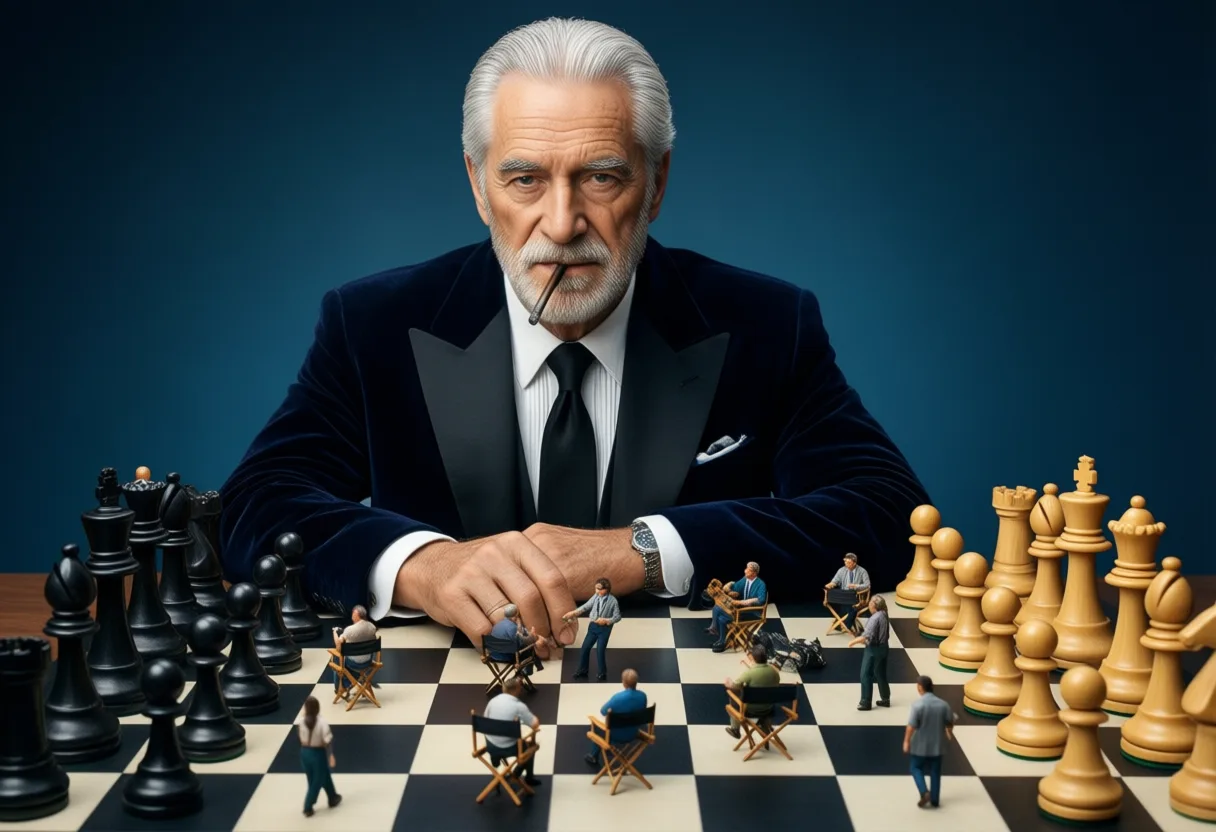

A single performance can shift the entire direction of a film-not because it’s flawless, but because it feels true. Behind that moment lies a meticulous, often invisible process where instinct, logistics, and artistry converge. What a Casting director Does from audition to final choice is less about picking the best actor and more about finding the one who completes the film’s unseen architecture.
How One Performance Becomes a Possibility: The Hidden Work Behind the Screen
Casting begins long before the first actor steps into the room. The casting director pores over breakdowns, Character descriptions, and directorial vision, translating abstract ideas into human form. They map out traits not just in terms of age or appearance, but emotional texture-how a voice cracks under pressure, how stillness can command attention.
They issue casting calls, reaching into agencies, theater rosters, and even social media to cast a wide net. Submissions pour in-headshots, reels, self-tapes-each one a potential spark. The volume is immense: hundreds of Performances, many only a few minutes long, yet each must be watched with full attention.
Every take is assessed for more than technical skill. Tone and emotional range matter as much as line delivery. A slight shift in inflection might suggest vulnerability the script didn’t explicitly state. The casting director watches for those micro-moments-the hesitation before a lie, the way an actor listens when not speaking. These are the details that elevate casting from selection to discovery.

The Audition Room Is Just the Beginning - What Happens Next?
Comparing Performances Across a Sea of Talent
After the initial wave of auditions, the real work begins. The casting team compares performances across hundreds of submissions, searching for patterns, contrasts, and outliers. They don’t just Rank actors-they group them, testing how different energies align with the film’s tone. Is the character best served by restraint or intensity? By warmth or ambiguity?
Side-by-side comparisons reveal nuances invisible in isolation. One actor may deliver lines with precision, another with raw instinct. The casting director evaluates not just who Gets The Character, but who Inhabits Them. Character interpretation becomes a critical filter-some performances align too closely with the actor’s past roles, others stray too far from the script’s intent.
This phase is analytical but never mechanical. The casting director keeps a mental ledger of emotional resonance, noting which performances linger after the screen goes dark. These are the ones that make it to the next round.
Narrowing the Field: Callbacks and Chemistry Tests
From the long list, a shortlist emerges. Final callbacks or tests are scheduled, often in person, sometimes with the director present. These sessions are more intimate, more demanding. Actors may be asked to perform the same scene multiple times with different directions-angrier, quieter, faster. The goal is to test flexibility, not just consistency.
Chemistry tests follow for roles that require connection-romantic leads, siblings, rivals. Two strong actors may shine individually, But together They might lack friction or spark. The casting director watches the space Between Them, where unspoken dynamics live. A glance, a pause, a shared breath-these are the building blocks of on-screen truth.
At this stage, performance is only part of the equation. The casting director begins to weigh practical concerns: scheduling conflicts, prior commitments, even how an actor carries themselves in the room. Professionalism matters, but so does presence-the intangible quality that makes a room lean in when someone speaks.
Mapping the Journey: From First Read to Final Decision
Organizing the Chaos: Auditions, Submissions, and Structure
The casting process is a feat of organization as much as intuition. Organizing auditions, casting calls, and reviewing submissions from actors Is a daily rhythm. Each audition is logged, labeled, and stored for review. Digital platforms allow teams to share clips instantly, but the human eye remains irreplaceable.
Scheduling alone is a logistical puzzle-aligning actor availability with director calendars, studio executives, and location constraints. A missed slot can delay the entire process. The casting director acts as both gatekeeper and guide, ensuring every performance is seen, every opportunity honored.
They also manage expectations-tempering actor hopes without discouraging participation. The process is impersonal in structure but deeply personal in execution. Every “no” carries weight, every “maybe” a thread of possibility.
The Director’s Lens: Interpretation, Look, and Suitability
The director’s vision ultimately shapes the final choices. Directors assess performances, determining which actors are not suitable for the part based on their interpretation, look, or suitability. An actor may be brilliant, but wrong for this film, this moment, this ensemble.
Look is not just about appearance-it’s about believability within the world of the story. A period piece demands a certain posture, a sci-fi film a particular physicality. The casting director and director debate these qualities, sometimes revising their initial assumptions. An unexpected face can redefine a character entirely.
Suitability extends beyond the individual. How does this actor fit within the larger cast? Will they dominate the frame or recede too much? The casting director thinks in terms of balance, like a composer arranging instruments. Every choice affects the harmony of the whole.
Why “Perfect” Isn’t Always Right: The Nuance of Casting Fit
The Myth of the Ideal Actor
There is no such thing as a perfect actor for a role-only the right one for this version of the story. An actor may deliver a technically flawless audition and still not be chosen. Sometimes, perfection lacks risk. Sometimes, it feels too rehearsed, too safe.
Casting is not about minimizing flaws but embracing the ones that serve the character. A tremor in the voice, an uneven delivery-these can be assets if they carry emotional truth. The casting director listens for authenticity, not polish.
They also consider how an actor’s public persona might influence audience perception. A beloved star brings baggage, just as an unknown brings blank space. Both have power, but different kinds. The decision hinges on what the film needs: recognition or discovery.

Beyond Talent: How Look, Availability, and Dynamics Shape the Choice
The Unseen Factors That Decide Roles
Talent is the entry point, not the finish line. Look, availability, and dynamics Are equally decisive. An actor may embody the character physically, but if they’re tied to another project during filming, they’re out. A scheduling conflict can end a candidacy overnight.
Chemistry with the lead, compatibility with the director’s style, even travel readiness-these are all part of the equation. The casting director negotiates not just with actors, but with reality. A dream casting means nothing if it can’t be realized.
Dynamics extend to the production itself. Some actors thrive in tight schedules, others need time to build. The casting director knows which environments suit which performers. They anticipate friction before it happens, steering toward cast combinations that will sustain the shoot’s demands.
The Ensemble Puzzle
Films are not collections of solo acts but interconnected systems. The casting director thinks in terms of ensemble-how one performance elevates or diminishes another. A powerful supporting actor can overshadow the lead if not carefully balanced.
They test pairings, imagining scenes that haven’t been written yet. Who grounds whom? Who brings out hidden layers? These decisions are subtle but seismic. A single casting choice can ripple through the entire production, altering tone, pacing, even editing.
The best casts don’t just perform together-they respond to each other. The casting director’s job is to engineer that responsiveness before a single frame is shot.
What Actors Never See: The Negotiation and Clearance Phase
Deal Negotiations Before the Final Test
One of the least visible but most critical stages happens in silence. For most tests, the actors’ deal is negotiated ahead of time. This means agents, lawyers, and studio executives are already involved before the final decision is made.
The casting director liaises between creative and business teams, ensuring the actor’s terms-salary, billing, scheduling-are feasible. A preferred actor might demand conditions the production can’t meet. Another might accept less but bring greater flexibility.
These negotiations shape the final shortlist as much as performances do. An actor who is easy to work with, financially and logistically, often has an edge-especially on tight budgets or compressed schedules.
Legal and Contractual Clearances
Before anyone is officially cast, clearance processes begin. Background checks, union status verification, rights agreements-all must be confirmed. A last-minute legal issue can derail a casting decision, no matter how strong the performance.
The casting director ensures every box is checked. They don’t just find the actor-they make sure the actor can Be Cast. This phase is unglamorous but essential. The magic of cinema depends on the mundane.

The Last Cut: When Two Strong Performances Come Down to One Decision
The Weight of the Final Choice
Sometimes, two actors are equally compelling. One may be more experienced, the other more surprising. One fits the character exactly, the other redefines it. The casting director and director face a choice not between right and wrong, but between two kinds of right.
They revisit the performances, watching for the smallest differences. Does one actor grow more compelling on the third viewing? Does the other feel familiar in a way that borders on predictable? These are the questions that decide careers.
The decision often comes down to instinct. After all the analysis, after spreadsheets and comparisons, the final call is emotional. Who Feels Like they belong in the story? Who makes the film better just by being in it?
Final Roles Aren’t Final Until Paperwork Clears – And Instinct Confirms
The Moment the Casting Becomes Real
Even after the choice is made, nothing is certain. Offers must be accepted, contracts signed, clearances confirmed. An actor can decline, or a scheduling conflict can emerge. The casting director stays on alert until the first day of filming.
And then, on set, when the camera rolls and the actor speaks the first line, the casting director watches-not as a judge, but as a witness. Did the performance hold? Does it live in the world of the film?
That moment is the true end of the process. Not in the boardroom, not in the callback, but in the quiet magic of a performance that feels inevitable. The casting director’s work is done when the audience forgets they were ever involved-and remembers only the character.
Behind the Curtain: The Final Stages of Casting
The Quiet Work Begins
Once the last audition wraps, the real puzzle starts. Casting directors often review hundreds of performances, not just to compare line readings, but to see how each actor shapes the character’s tone and emotional range. It’s not just about hitting the right notes-it’s about how they interpret the role, whether their instincts align with the vision, and if their presence feels authentic. A look, a pause, or a shift in energy can be just as telling as perfect delivery.
From Shortlist to Screen Test
After the initial cut, the team narrows the field to a handful of top contenders. These actors are brought back for final callbacks or screen tests, where chemistry with other cast members and fit within the scene’s world are put to the test. Interestingly, for many of these final tests, the casting team has already started negotiating the actor’s deal-meaning the business side often moves in parallel with creative decisions. This behind-the-scenes coordination helps keep production on track without sacrificing the search for the perfect fit. Explore more stories, videos, and creators on Loaded.
Frequently Asked Questions
What does a casting director look for beyond acting skill?
A casting director looks for emotional range, tone, and subtle behaviors like how an actor listens or hesitates. Authenticity and how the actor embodies the character’s emotional texture are as important as line delivery.
How do casting directors handle chemistry between actors?
Casting directors conduct chemistry tests to observe interactions between actors. They watch for unspoken dynamics like glances, pauses, and shared breaths to ensure believable on-screen connections.
Why might a technically flawless audition not lead to a role?
An actor may deliver a perfect audition but still not be chosen if they lack risk or feel too rehearsed. The casting director prioritizes emotional truth and fit within the film’s ensemble and vision.
What happens after the final casting decision is made?
After the decision, deal negotiations and legal clearances must be completed. Contracts are signed, scheduling confirmed, and background checks done before the casting is final.
This article was produced with AI assistance. How Silver Screen Magazine uses AI.
Simone Reyes tracks shifts in film distribution and digital platforms with clarity and foresight, translating complex trends into accessible insights. She bridges the gap between corporate moves and viewer experience, illuminating how the business shapes what we watch.