In the shifting landscape of television, few shows have left as indelible a mark as the teen drama that defined a generation’s coming-of-age anxieties, fashion choices, and emotional crescendos. At the heart of that cultural wave stood a character whose quiet strength and evolving identity mirrored the audience growing up alongside her. Gabrielle Carteris, known for portraying Andrea Zuckerman on the long-running series, has since navigated a path that extends far beyond the manicured lawns and pastel-toned classrooms of West Beverly High.
Her journey reflects not just the arc of an actor, but the resilience required to reinvent oneself in an industry that often sidelines women after their breakout years. From early Auditions Shaped by instinct to the pressures of sudden fame, Carteris has spoken candidly about the duality of visibility-how it opens doors yet narrows perception. The role that brought her into millions of homes also became a lens through which the public viewed her, sometimes blurring the line between performer and persona.
For those curious about the layers beneath the surface of 90s television stardom, the story of Andrea Zuckerman-and the woman who brought her to life-offers a nuanced portrait of identity, ambition, and transformation. Exploring the world behind the show reveals how much of the era’s social commentary was woven into storylines that tackled race, class, and reproductive rights with a sincerity rare for teen dramas. A deeper look into that legacy can be found in the retrospective Beverly Hills 90210 Behind The Scenes of a culture icon.

From Script to Screen: The Making of a Teen Icon
Television in the early 1990s was undergoing a quiet revolution, one that shifted focus from family sitcoms and crime procedurals to the emotional interiors of teenagers. The arrival of the series marked a turning point, not because it invented the Teen drama, but because it treated adolescent concerns as worthy of narrative weight. Characters didn’t just date and fight-they grieved, questioned their futures, and confronted systemic issues with a sincerity that resonated across demographics.
Andrea Zuckerman stood apart from the ensemble not for her glamour or romantic entanglements, but for her intellect and moral compass. As the editor of the school newspaper, she became the show’s conscience, often challenging her peers to think critically about the world around them. Gabrielle Carteris brought a grounded presence to the role, balancing idealism with vulnerability in a way that made Andrea feel like the friend who kept you honest.
The casting process for the series was as much about Chemistry As it was about individual talent. The producers sought a group that could feel like a real social circle-tense, loyal, and occasionally fractured by circumstance. Carteris’ audition revealed an ability to convey depth beneath restraint, a quality that would become essential as Andrea’s storylines grew more complex. Her performance evolved alongside the character, from shy overachiever to a young woman navigating love, loss, and the pressure to succeed.
- The series was notable for integrating real-world issues into its weekly arcs
- Andrea’s storyline on abortion in the early seasons was one of the first of its kind on teen television
- The character’s Jewish identity was subtly woven into the narrative, adding cultural texture
Carteris’ portrayal contributed to a broader shift in how television approached teenage girls-not as accessories to male-driven plots, but as protagonists with intellectual and emotional agency. Her presence on screen signaled that intelligence could be as compelling as charisma. And while the show often leaned into melodrama, it was performances like hers that anchored the series in emotional truth.
Life After West Beverly: Reinvention and Advocacy
When the final bell rang for West Beverly High, Gabrielle Carteris did not retreat from the industry-she recalibrated her role within it. The transition from actor to advocate was not immediate, but it was inevitable. Having experienced firsthand the inequities faced by women in Hollywood, particularly as they age, she began to channel her energy into systemic change. Her leadership in labor organizations underscored a commitment to fairness, equity, and sustainable careers behind the camera as well as in front of it.
One of the most significant shifts in her post-acting career was her involvement in guild governance. She took on leadership roles that allowed her to influence policy, negotiate contracts, and support younger performers entering a vastly different entertainment landscape than the one she had entered decades earlier. The rise of streaming, the decline of traditional syndication, and the erosion of residual payments made her work all the more urgent.
Her advocacy focused on several key areas:
- Ensuring fair compensation in the digital era
- Expanding healthcare access for freelance performers
- Promoting diversity and inclusion in casting and hiring
Carteris understood that visibility on screen was only part of the equation-power resided in who controlled the narrative. By stepping into administrative and organizational roles, she helped reshape the infrastructure that supports creative work. Her efforts reflected a broader awakening in the industry, one where performers began to see themselves not just as talent, but as stakeholders.
This evolution mirrored the maturity her character had undergone on screen. Just as Andrea Zuckerman grew from student to journalist to mother, Carteris moved from performer to policy-maker, each phase building on the last. The skills honed in front of the camera-empathy, timing, clarity-found new expression in boardrooms and negotiations. Her journey illustrates that a career in entertainment need not be confined to one role or one decade.
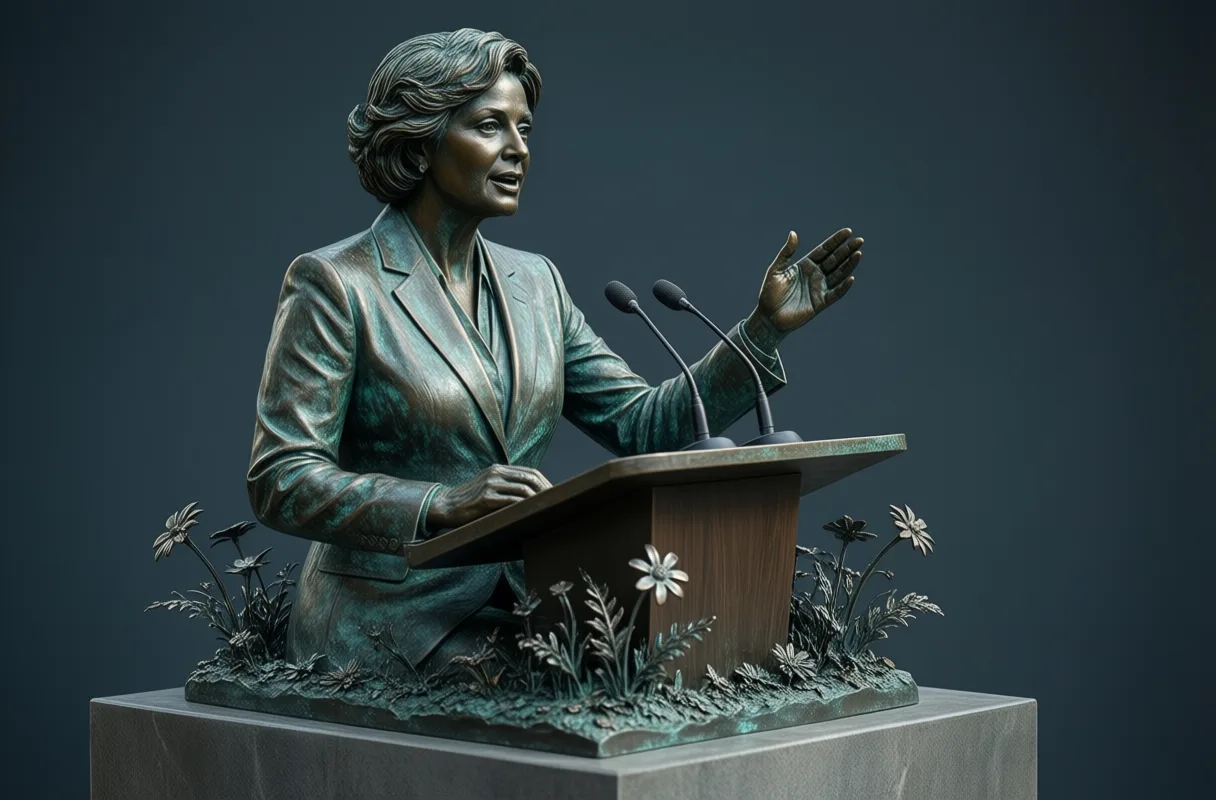
The Legacy of a Generation’s Television Touchstone
More than three decades after its premiere, the series continues to find new audiences, not through nostalgia alone, but through its surprisingly durable themes. Teenagers today may not recognize the flip phones or the absence of social media, but they recognize the anxiety of fitting in, the weight of parental expectations, and the search for identity. The show’s endurance lies in its ability to balance escapism with authenticity, offering both fantasy and reflection.
Gabrielle Carteris’ contribution to that legacy is multifaceted. As an actor, she gave dimension to a character who could have easily been reduced to a stereotype-the studious girl, the “nice one.” Instead, she imbued Andrea with quiet resolve and emotional complexity. And as a professional beyond acting, she has helped ensure that future generations of performers might face fewer barriers than she did.
The cultural footprint of the series extends beyond ratings or spin-offs. It altered the trajectory of teen television, paving the way for shows that treat adolescence as a subject worthy of serious storytelling. It also demonstrated the power of ensemble casting, where no single character dominates, but each contributes to a larger mosaic of youth experience.
Today, as streaming platforms mine the past for reboots and revivals, the original series stands as a benchmark. Not because it was flawless-its blind spots are evident by contemporary standards-but because it was willing to try. It took risks, sparked conversations, and gave actors like Carteris a platform to grow, both on screen and beyond. The story of that era is still being written, one shaped by those who lived it and continue to shape what comes next.
Behind the Scenes of a 90s Icon
From Teen Drama to Union Leadership
Gabrielle Carteris didn’t just play a smart, driven teenager on Beverly Hills, 90210-she was navigating real-life ambition behind the camera too. While portraying Andrea Zuckerman, the studious editor of the West Beverly Blaze, Carteris was already building skills that would shape her next chapter. Her character’s journey from high school journalist to Yale graduate mirrored Carteris’s own trajectory in unexpected ways, though her real-life path took a sharp turn toward advocacy.
Long before her time at West Beverly High wrapped, Carteris began exploring interests beyond acting. She eventually stepped into a powerful role as president of the Screen Actors Guild‐American Federation of Television and Radio Artists (SAG-AFTRA), serving multiple terms. This shift wasn’t a sudden career pivot-it was the result of years spent observing the industry’s inner workings while balancing fame with personal growth. Fans might remember her character’s intense focus on academics, but few realized Carteris herself was quietly preparing for a second act defined by leadership and labor rights.
What makes her story stand out isn’t just the glow of 90s nostalgia-it’s how she transitioned from portraying a young woman determined to make her mark to becoming a force who actually did. While Andrea fought for truth through journalism, Carteris took up a different kind of pen-negotiating contracts, championing performers’ rights, and reshaping how actors engage with a changing entertainment landscape. It’s a legacy that goes far beyond high school hallways, proving that some roles truly do prepare you for life after the final scene. Explore more stories, videos, and creators on Loaded.
Frequently Asked Questions
Who did Gabrielle Carteris play on Beverly Hills, 90210?
Gabrielle Carteris played Andrea Zuckerman, the editor of the school newspaper at West Beverly High.
What was Andrea Zuckerman's role in the series?
Andrea Zuckerman was known for her intellect and moral compass, often challenging peers to think critically. She served as the show’s conscience.
What has Gabrielle Carteris done after acting?
She became president of SAG-AFTRA and focused on advocacy, including fair compensation, healthcare access, and diversity in the entertainment industry.
How did Gabrielle Carteris contribute to the legacy of the show?
She gave depth to Andrea Zuckerman and later helped shape the entertainment industry through union leadership and policy work.
This article was produced with AI assistance. How Silver Screen Magazine uses AI.
Simone Reyes tracks shifts in film distribution and digital platforms with clarity and foresight, translating complex trends into accessible insights. She bridges the gap between corporate moves and viewer experience, illuminating how the business shapes what we watch.